Rising Component Costs Force Production Shifts
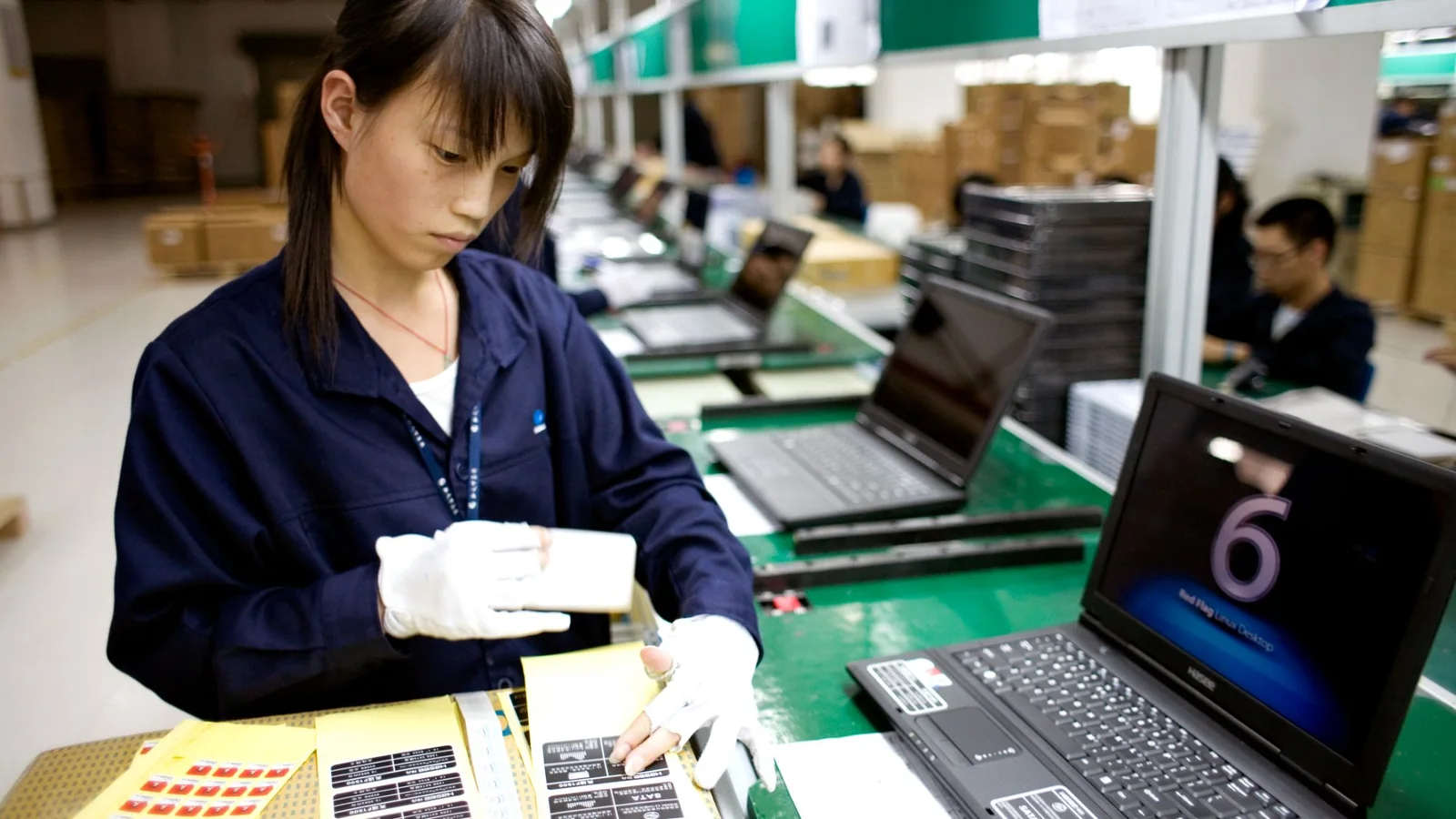
HP, Asus, and Acer have reportedly moved some of their manufacturing capacity back into China as increasing component costs driven by AI bite into their margins. According to Nikkei Asia, increasing bill-of-materials costs have made China’s experienced workforce, relatively lower prices, and established supply chain ecosystem a more attractive option. However, they are not going back to traditional suppliers like Foxconn, who have focused their production capacity on AI data centers. Instead, they are signing contracts with smaller Chinese contract manufacturers, like Luxshare, Huaqin Technology, and Longcheer Technology, that are trying to establish themselves in PC manufacturing.
Many PC brands slowly moved out of China in 2024 and 2025 as U.S. sanctions and tariffs on China increased prices and forced them to find friendlier nations. While these nations do not have established supply chains and expertise like China, it at least spreads the risk as manufacturers avoid getting caught up in geopolitical tensions.
Memory Shortages and Margin Pressures
However, rising component prices have forced them to move some of their capacity back into China. The biggest culprit is the AI-induced memory and storage chip shortage, which has caused memory prices to climb an unprecedented 500% in 12 months. More than that, other parts like PCBs and fiberglass cloth used in motherboard manufacturing are seeing increasing prices, which Acer chairperson and CEO Jason Chen bemoaned as suppliers hyping shortage fears to protect margins.
While tech companies are not abandoning their China-plus-one diversification strategy, the mature industry in China is helping offset increased component costs. Aside from that, Chinese contract manufacturers often have better access to memory chips from domestic manufacturers like CXMT. These Chinese contract manufacturers have been telling potential clients and computer makers that working with them could be a good option for securing better access to Chinese-made memory chips, according to industry sources.
Impact on Southeast Asian Supply Chains
Moving back some manufacturing capacity into China is easing some of PC manufacturers cost concerns, but it is also negatively impacting newly established supply chains in Southeast Asia. Component suppliers report that new production lines built in regions like Thailand for PC clients are experiencing significant order pullbacks back to China before turning profitable.
Unfortunately, building an entire supply chain for PC manufacturing is slow and expensive. The U.S. has been trying to accomplish this for years, with few companies attempting to build laptops using primarily domestic or allied components due to significantly higher final costs. Consumer market competition ultimately incentivizes PC manufacturers to pursue the lowest possible production costs.