The Birth of the Performance Rating
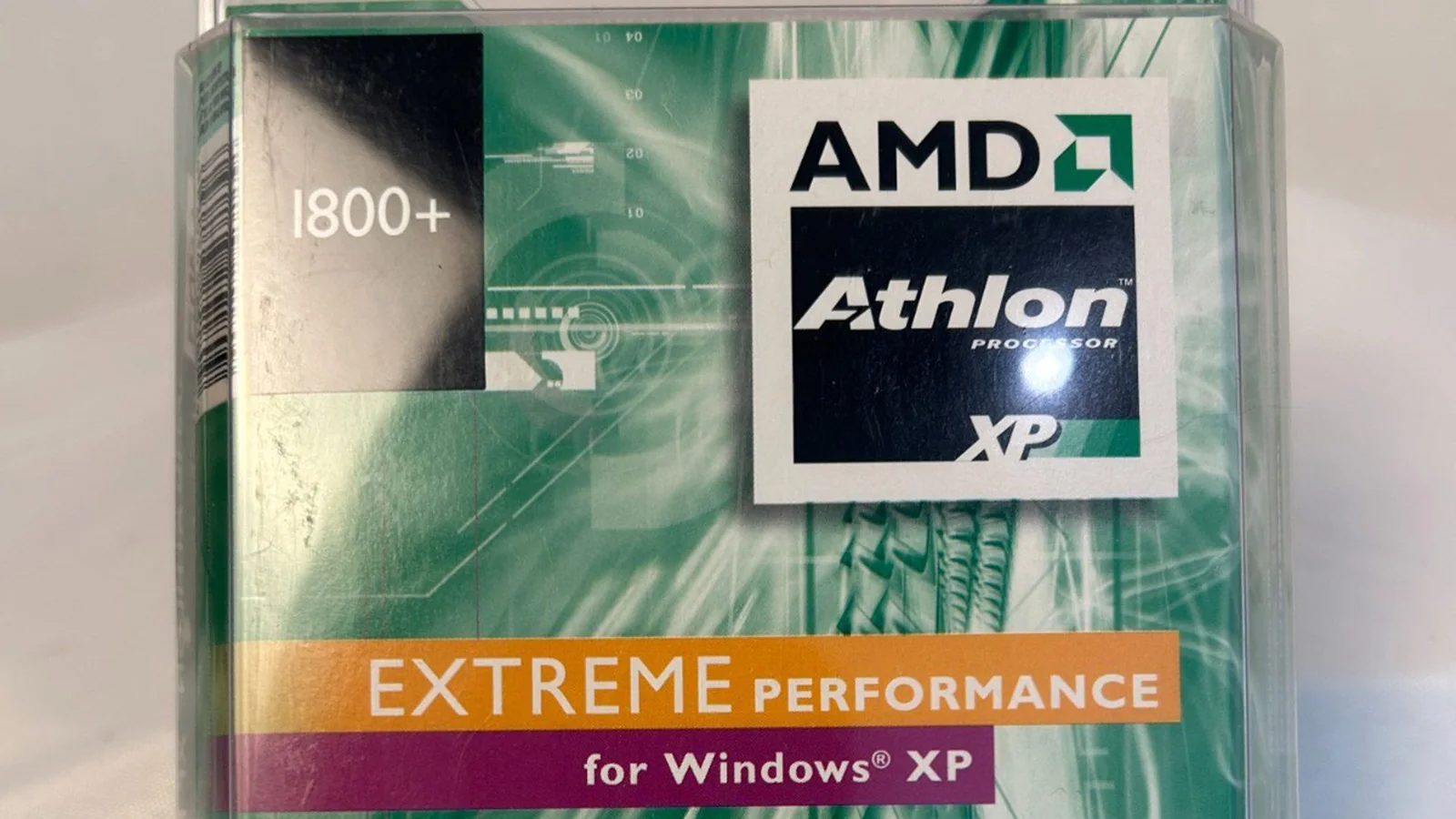
Twenty-five years ago, AMD launched its AMD Athlon XP processor family. These processors were based on the Palomino core but ran at lower raw clock speeds than Intel rivals. Facing a marketing imbalance between perceived and actual performance, AMD launched a campaign to counter the megahertz myth with this generation of CPUs, introducing a Performance Rating designation alongside the slogan that performance matters more than raw frequency.
Intel, with its Pentium 4 processors, was winning the frequency race at the time, while clock speed had long been established by marketers as a key performance metric. Unfortunately for AMD, its CPUs of the era did not hit those high clock rates, even though application and gaming performance matched or exceeded Intel's offerings.
Benchmark Comparisons and Industry Reception
Tests from October 2001 noted that AMD utilized the newly devised PR naming system to reflect real-world capabilities. Benchmarks showed that an Athlon XP 1800+ could outperform Intel's flagship Pentium 4 2 GHz in the majority of tests despite running at a lower clock speed, forcing this stand against the reliance on raw clock metrics.
While critics initially debated whether the naming scheme would become a long-term success or face industry resistance, analysts acknowledged that AMD had little alternative from a marketing perspective during the intense Pentium versus Athlon era.
The End of the PR Era
The AMD PR system was eventually abandoned roughly five years after its introduction as CPU architectures and market dynamics evolved. Intel lost its frequency advantage with the transition to newer microarchitectures, and the success of the Athlon 64 allowed AMD to move away from the rating system. By the end of the decade, the industry shift toward multi-core processors permanently sidelined raw clock speeds in CPU marketing.