Network Saturation Discovery
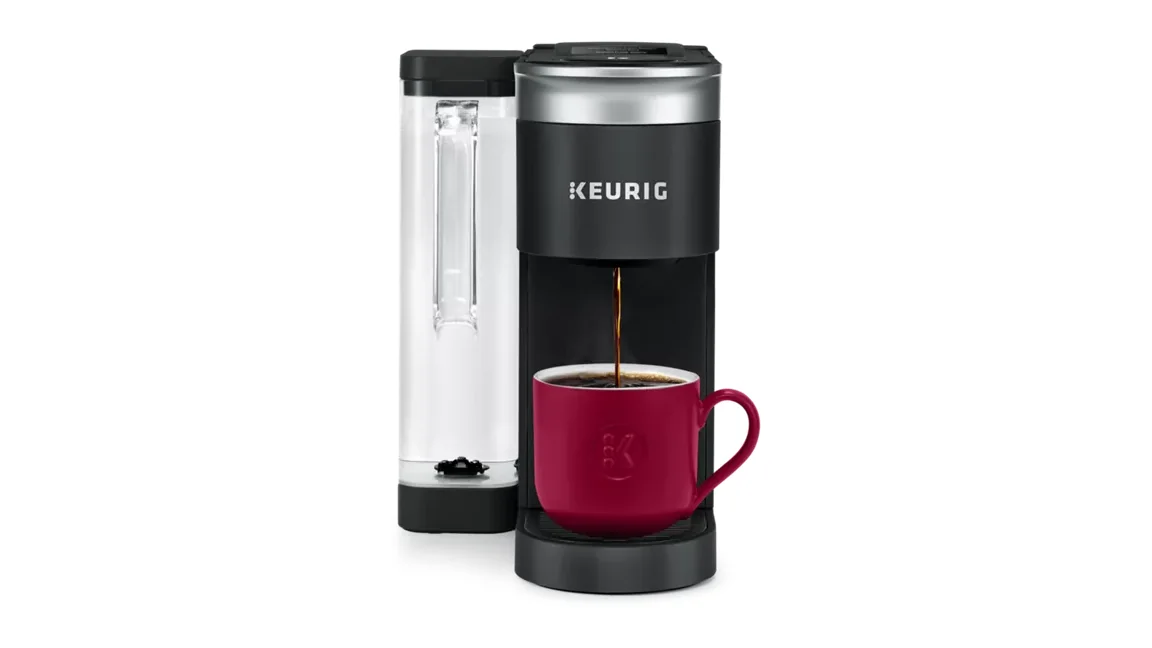
A Keurig smart coffee maker owned by a self-described IT professional's parents sent 1TB over their Wi-Fi in 10 days, saturating an access point on its own, user @NomadsGalaxy said in an X post. Nomad added that most of the traffic stayed within the local network, but it remains unclear what data the device was attempting to send.
The issue was detected after his parents inquired why their home network connection had slowed down significantly.
The user, a technical field and community specialist with over 10 years of IT experience, tagged Keurig and uploaded a network monitoring screenshot asking what the appliance could possibly be uploading. He stated that he would unplug the machine and replace it.
Traffic Analysis and Hardware Specs
The network monitoring screenshot showed the Keurig device with traffic indicated at 9.94GB down and 1,008.45GB up over a span of 10 days and 9 hours. The high volume suggested an average upstream of about 9 Mbps, which can easily swamp a standard access point.
The affected model is the K-Supreme SMART with BrewID, which features app control for remote brewing, scheduling, and voice integration with Alexa and Google Home. BrewID recognizes Keurig-made pods over 2.4GHz Wi-Fi to apply roaster-recommended settings.
Later in the discussion, the user acknowledged that the monitoring software may not have reported an actual external 1TB upload, concluding the traffic consisted mostly of local junk data. Rebooting the device and placing it on a segregated VLAN temporarily resolved the issue.
Firmware and Cloud Integration
According to open-source project documentation for Home Assistant integrations, cloud-synced information includes power state, brew state, pod recognition results, and software versions. Keurig utilizes Microsoft's Azure RTOS, an off-the-shelf operating system and networking stack designed for IoT devices.
Network hardware data linked the device's MAC address to Jabil, a manufacturing partner with known expertise in Wi-Fi, Bluetooth, and IoT embedded modules.
Smart brewers retain 14 days of brew history and sync it once connected. Previous reports have indicated that Keurig shares brewing data with participating brands that sell K-Cups to support personalized marketing efforts.
Broader IoT Privacy Concerns
The incident arrives amid heightened scrutiny from users and privacy advocates regarding data gathering by connected IoT appliances.
Industry responses to similar network behavior in other smart home devices often emphasize that local network scans and telemetry are standard functions for connected appliances.
Keurig has not issued an official comment on the incident. While the brewer functions without an internet connection, many marketed features rely on Wi-Fi access, highlighting the need for manufacturers to address potential network stack flaws.