Vector Art Adaptation
The 1993 game runs on the 1982 console thanks to a modded cartridge.
Vector graphics were mostly abandoned in gaming, but small pockets of enthusiasts are still keeping the Vectrex, the only vector-based home console ever released, alive. And what does one do to draw attention to a niche platform? Why, put Doom on it, of course.
Unique Visuals
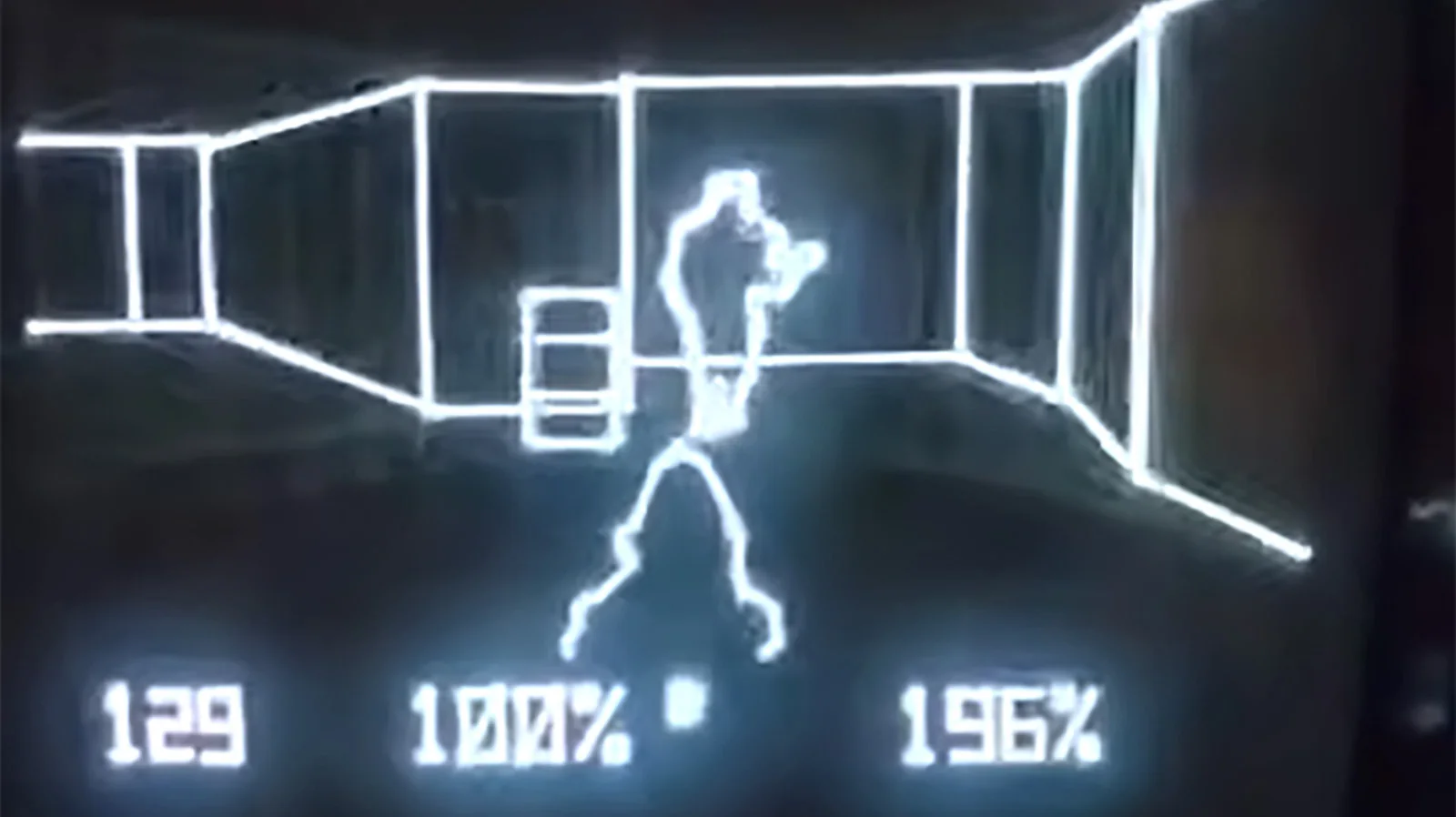
Doom has previously been adapted for an unusual array of hardware, including portable media players, graphing calculators, and kitchen appliances. The Vectrex iteration stands out through its distinct visual aesthetic. Because the console steers an electron beam to trace direct lines rather than rendering a pixel grid, the game takes on a clean, vector-driven appearance reminiscent of wireframe design.
Hardware Setup
Running the experience on hardware that predates the title by over a decade relies on external assistance. Modder Jason Kopp utilized the Ultimate Vectrex Multicart 2, which functions as a compact plug-in computer. This cartridge manages the heavy processing while leveraging the console's built-in cathode-ray tube screen for output and a separate 3.5mm jack for sound. Software development kit contributions from Daniel Ferrer Guerrero also supported the project.
Even with the asterisk that this isn't a native Vectrex port, the result is still one of the more notable Doom visual presentations we've seen.