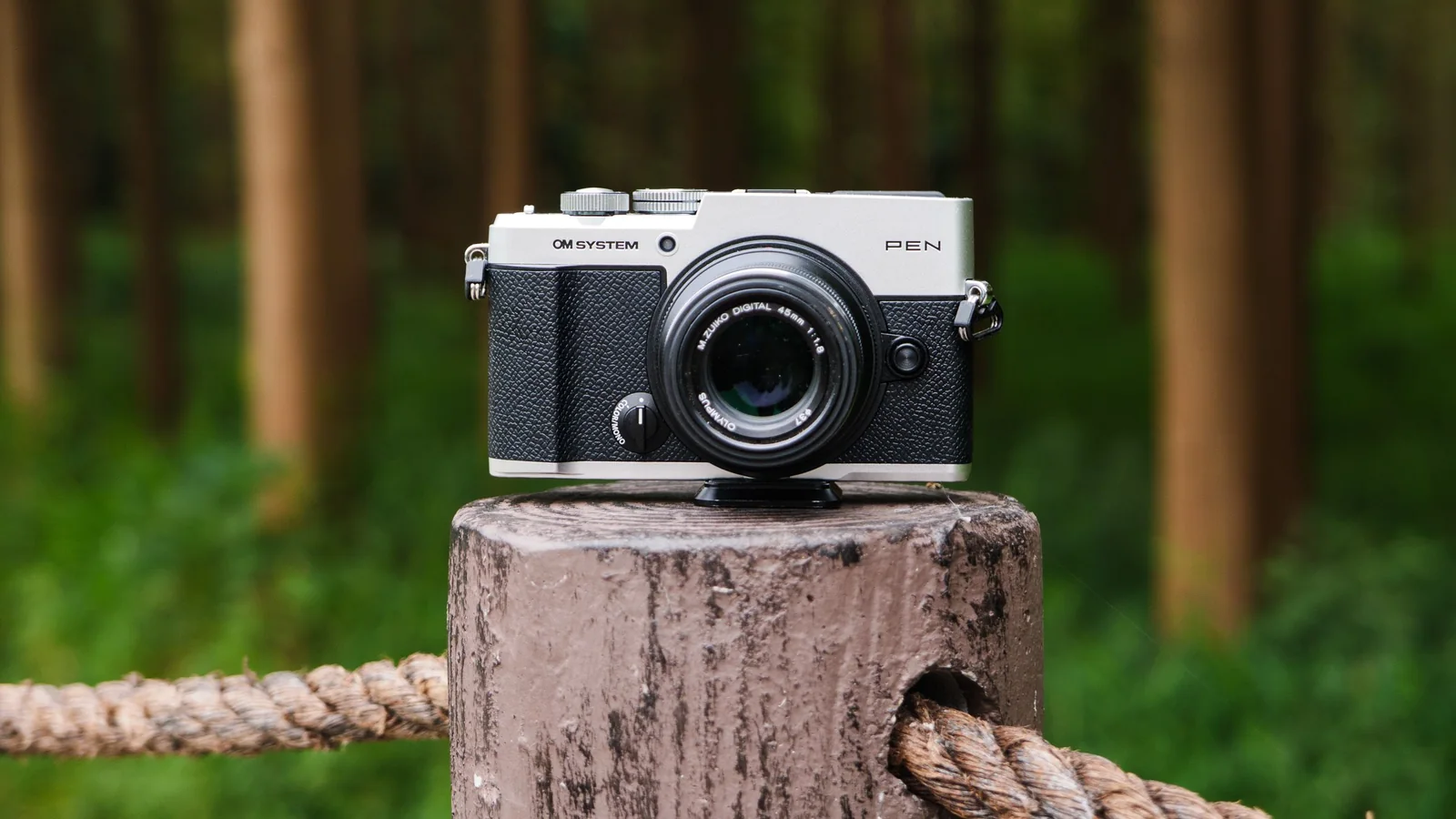
OM System PEN: Two-minute review
Given ongoing component shortages and price pressures, producing an affordable camera is no mean feat, yet OM System has achieved precisely that with the introduction of the PEN.
The manufacturer has delivered the rangefinder-style mirrorless camera many enthusiasts desired, equipping it with in-body image stabilization, twin displays, a retro weather-proof IPX1-rated design, and a range of computational photography modes while maintaining an aggressive price point.
As part of the Micro Four Thirds system, the OM PEN offers access to a vast catalog of lenses suited to various scenarios. The source reviewer noted it pairs exceptionally well with compact prime lenses for portraiture.
Internally, the camera utilizes a proven 20.4MP CMOS sensor with 5-axis image stabilization and a 121-point hybrid phase-detection autofocus system. The vari-angle touchscreen and electronic viewfinder are inherited from previous models.
Despite utilizing familiar components, the overall package remains compelling due to its approachable price, aesthetic charm, and engaging everyday shooting experience.
Extended evaluation suggests the OM System PEN serves as an exceptional starter camera for smartphone upgraders looking to expand their photographic capabilities.
OM System PEN review: Price and release date
The camera was announced in September 2026.
It launches as a body-only unit or packaged alongside the 14-42mm f/3.5-5.6 III kit lens.
Shoppers can choose between an all-black configuration or a dual-tone black and silver finish.
The OM System PEN provides robust value in a market heavily impacted by price hikes, offering an interchangeable-lens design equipped with a viewfinder and stabilization below the $1,000 threshold.
The bundled third-generation kit lens adds a splash-proof construction that matches the weather sealing of the camera body.
The camera is made available for preorder across primary retail channels.
OM System PEN review: Design
The lightweight, retro-styled body features basic IPX1-rated weather protection.
Framing and composition are handled via a clear electronic viewfinder and a vari-angle touchscreen monitor.
Connectivity options include modern USB-C charging alongside traditional microphone and flash accessory supports.
The PEN is the first OM-branded rangefinder to integrate its viewfinder neatly into the upper corner of the compact chassis.
The integrated electronic viewfinder matches the hardware found in higher-tier models within the manufacturer's lineup.
While weatherproofing is slightly reduced compared to flagship bodies, the PEN excels as a lightweight travel companion optimized for city breaks and street photography.
The exterior retains classic retro styling, accompanied by physical profile switches and comprehensive connection ports.
Source reviews noted that physical buttons can feel somewhat small and fiddly, particularly when attempting to quickly access advanced computational photography configurations.
Operating layout quirks aside, the overall ergonomic footprint remains pleasant for casual mobile photography enthusiasts.
OM System PEN review: Performance
Imaging relies on a 20.4-megapixel sensor backed by stabilization and standard lithium-ion battery configurations.
The power cell delivers dependable shooting endurance rated for hundreds of frames per charge.
Autofocus tracking functions reliably across common human and animal subject profiles.
The Micro Four Thirds sensor resolution is modest compared to massive full-frame alternatives, but remains entirely adequate for everyday creative applications.
Built-in computational photography features help bridge dynamic range gaps, although they require static scenes to operate effectively.
Handheld high-resolution modes successfully output expanded image files when movement is absent from the frame.
Paired with appropriate optics, the sensor easily captures enough fine detail to outperform standard smartphone photography.
The hybrid phase-detection autofocus system operates smoothly, providing dependable face and eye tracking despite a minimalist selection of subject detection options.
Subject acquisition remains generally sticky during tracking tasks, though manual selection of specific eyes is constrained.
Video capabilities are functional yet basic, supporting standard 4K capture alongside slower motion options restricted to lower resolutions.
The device serves users transitioning away from smartphones who desire tactile controls and dedicated viewfinder framing.
It provides a versatile and enjoyable walkaround experience for travelers seeking portable performance.
Shooters focused heavily on extreme outdoor environments or large telephoto lenses may require more weather-resistant alternatives.
Buyers who never intend to invest in prime lenses may find the standard kit configuration somewhat limited.
Alternative options include comparable Micro Four Thirds devices sharing similar form factors.
Consumers seeking superior ergonomics and enhanced weather sealing can explore alternative models within the manufacturer's catalog.