Introduction
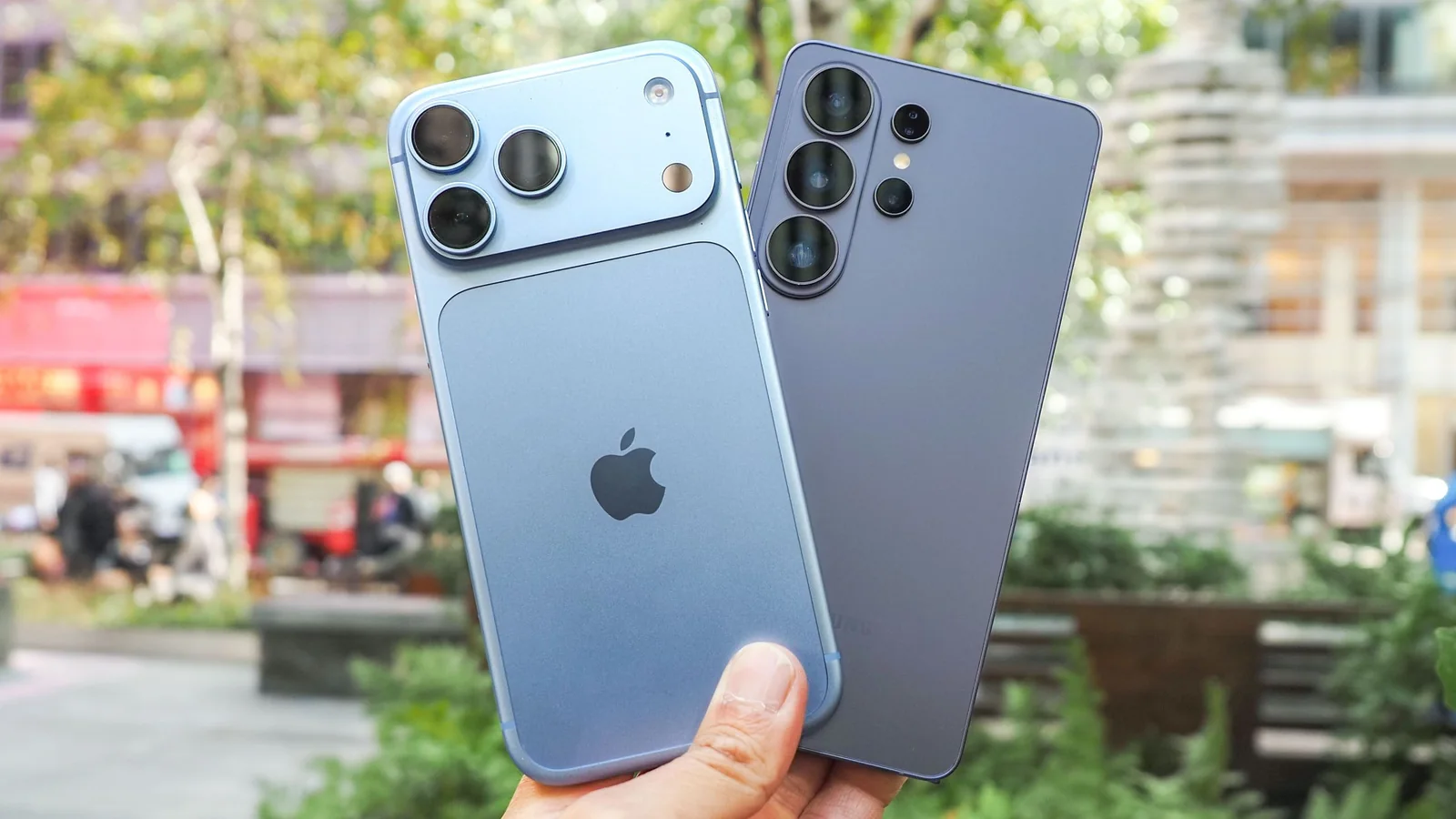
Now this is the matchup I’ve been waiting for: a battle that without question will determine which is the best camera phone. While my iPhone 18 Pro Max vs. Galaxy S26 Ultra face-off gave the overall win to Apple, I’m strictly going to focus on their camera performance here.
The Galaxy S26 Ultra has kept the top spot for most of the year, beating out strong challengers like the Pixel 11 Pro XL and OnePlus 15. That’s largely attributed to the quadruple-camera array it packs, consisting of a 200MP main shooter, 50MP ultrawide, 10MP telephoto with 3x optical zoom, and a 50MP periscope lens with an even longer 5x optical zoom — plus a 12MP selfie shooter around the front.
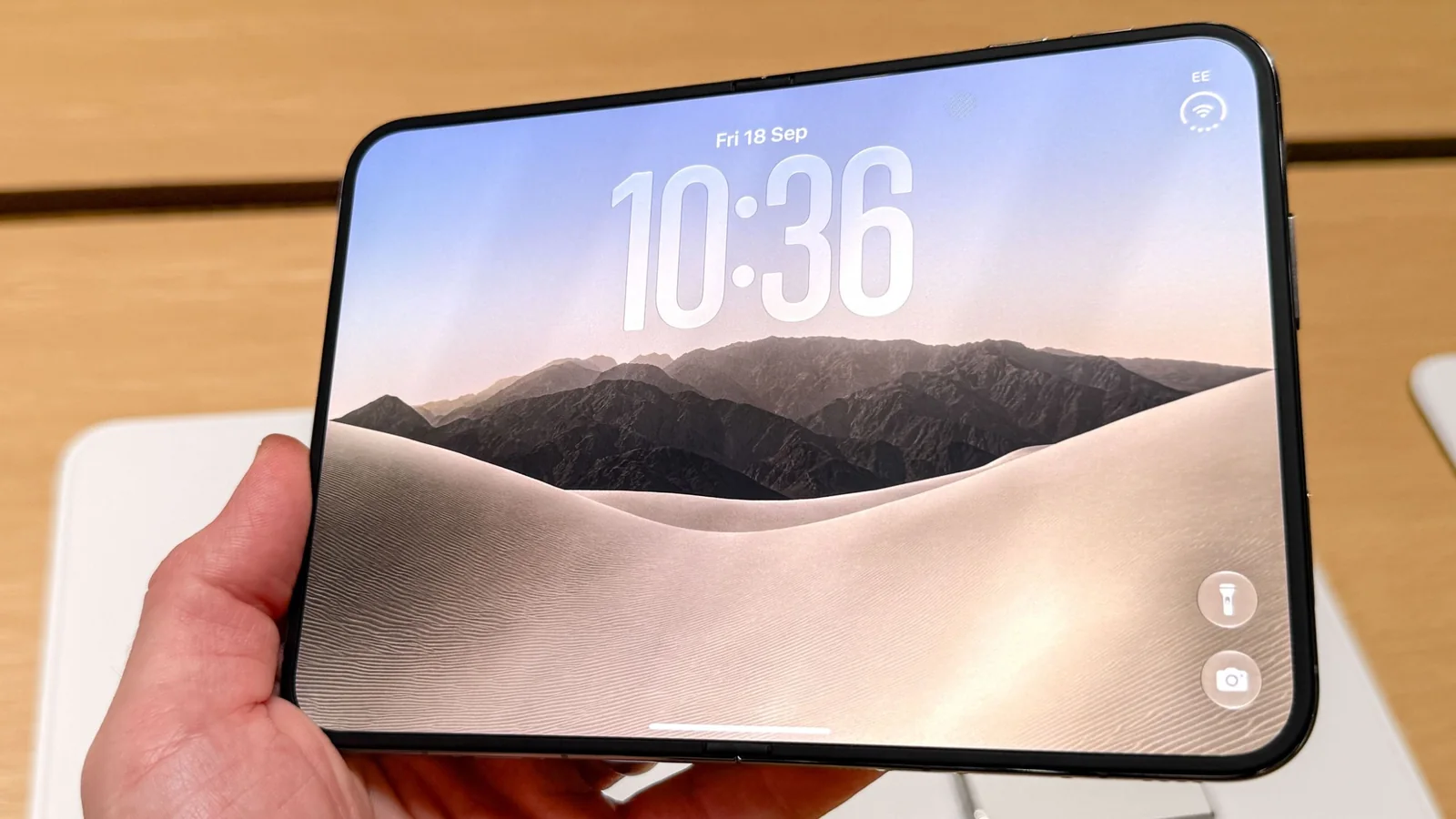
Meanwhile, Apple pushed computational photography and hardware limits once again with the iPhone 18 Pro Max. What’s notable about the camera gear is how its 48MP main camera features a mechanical variable aperture that gives shooters more control over the light. The rest of the package includes a 48MP ultrawide, 48MP telephoto with 4x optical zoom, and an 18MP Center Stage camera on the front.
While the variable aperture certainly delivers authentic focus falloff, my 200-photo shootout between the iPhone 18 Pro Max and Galaxy S26 Ultra will strictly focus on what they produce shooting the same scenes in automatic mode. Here are the results.

Daytime Performance
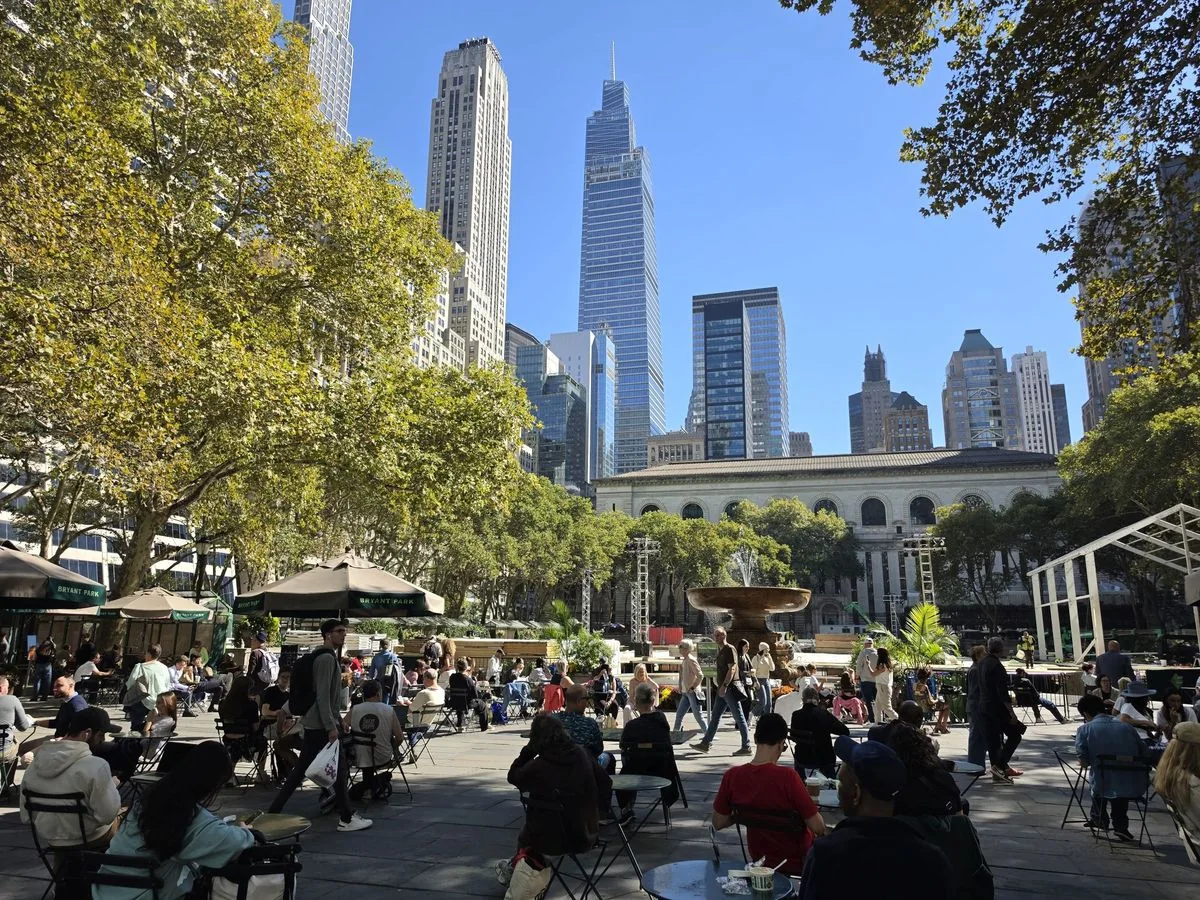
Without inspecting all the details, I’m immediately drawn to the photo I shot with the Galaxy S26 Ultra down by Bryant Park — mainly for how it balances out the highlights and shadows, resulting in a brighter overall picture that pops.
The iPhone 18 Pro Max still looks fantastic, but it favors a stronger contrast that makes it a smidge dimmer. When I zoom into different areas of the shot, such as the fountain in the middle and the New York Public Library in the background, it pulls in more definition and texture.
It’s a tough call, but I can say that both masterfully deliver strong results during the daytime with their main cameras.
Winner: tie
Ultrawide Comparison
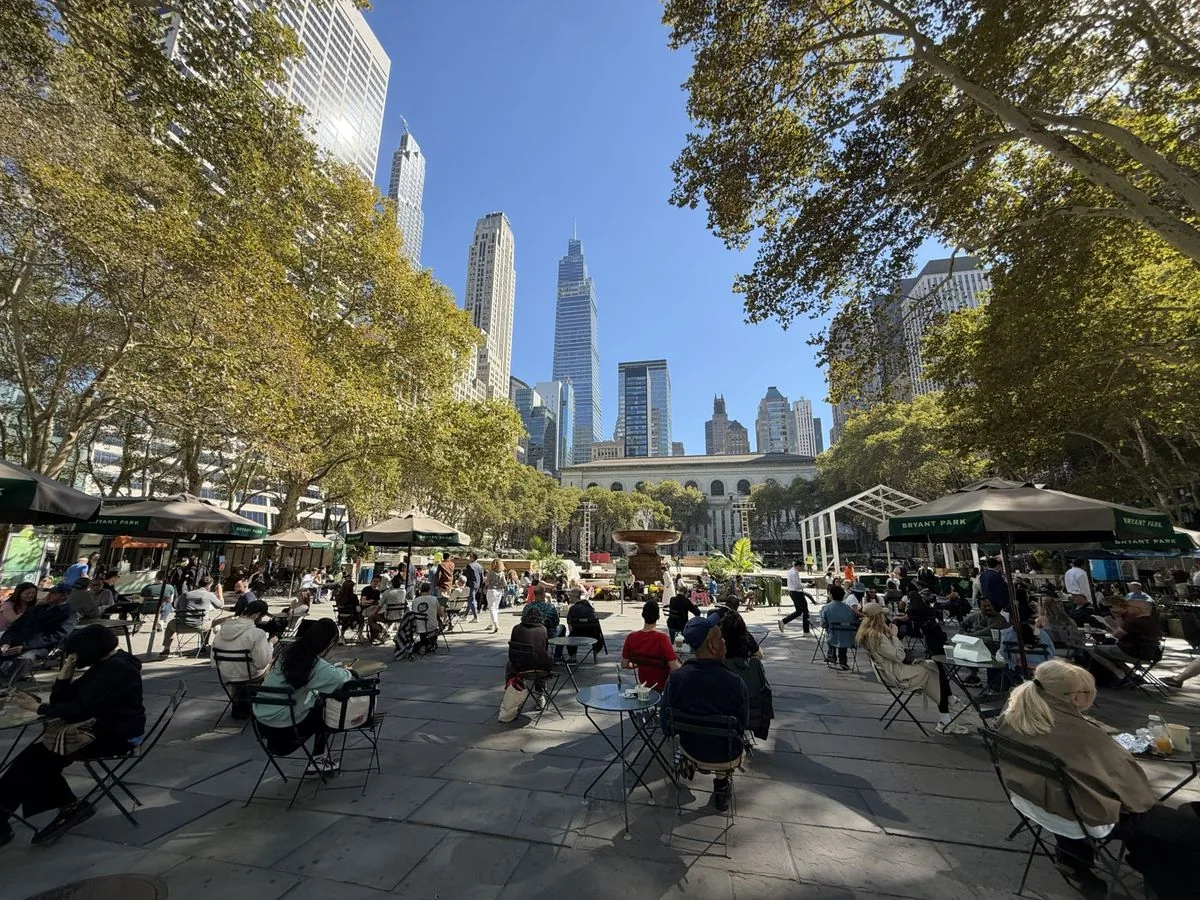
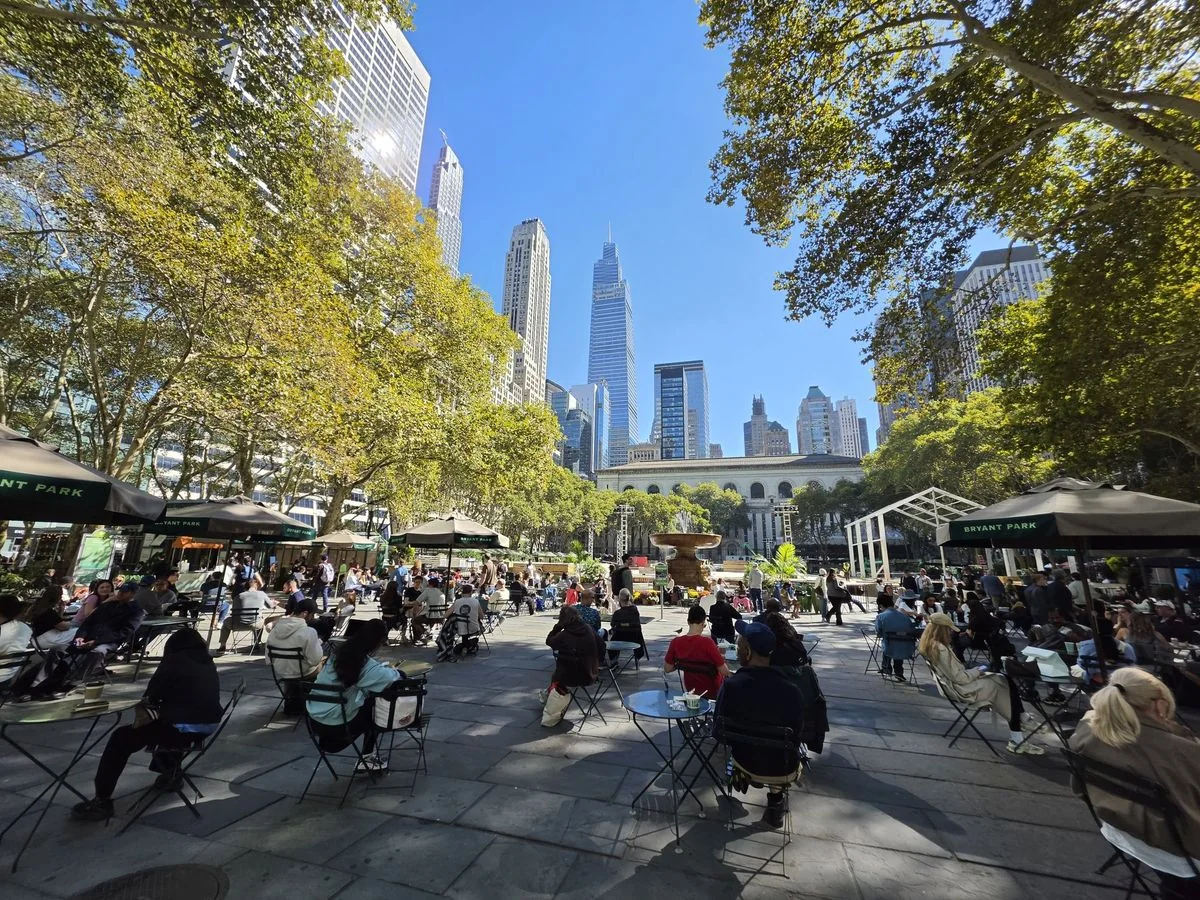
Sticking with the same scene down by Bryant Park, but this time using their respective ultrawide cameras, the results are once again neck and neck.
The Galaxy S26 Ultra immediately draws my eye for how it boosts the overall exposure of the scene without over or underexposing the highlights and shadows.
The iPhone 18 Pro Max also holds up well with solid edge-to-edge sharpness, pulling in more definition across just about everything in the frame. It’s slightly darker because it leans more aggressive with its contrast, but that ultimately comes down to personal preference. The Galaxy wins for its brighter, more balanced presentation, while the iPhone is superior when it comes to fine detail and definition.
Winner: tie
Dynamic Range
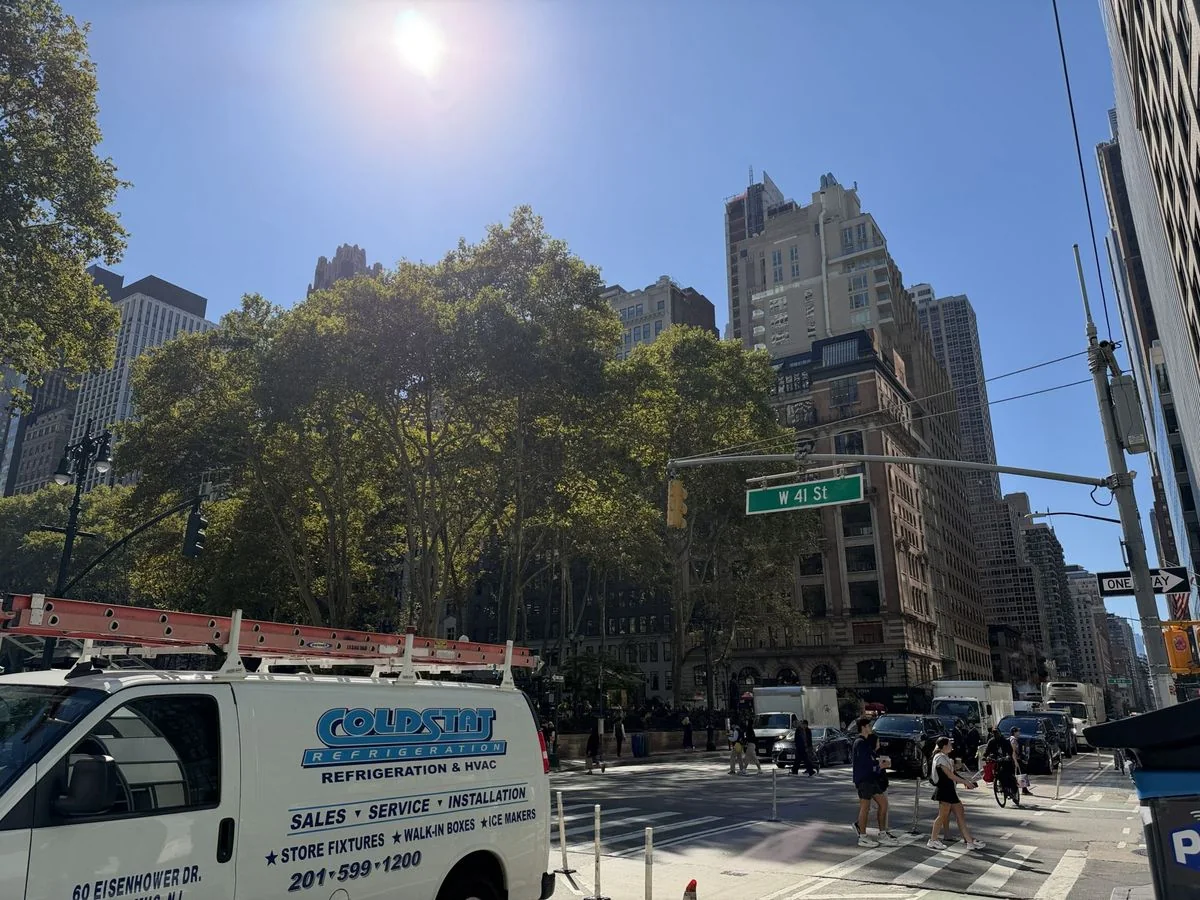
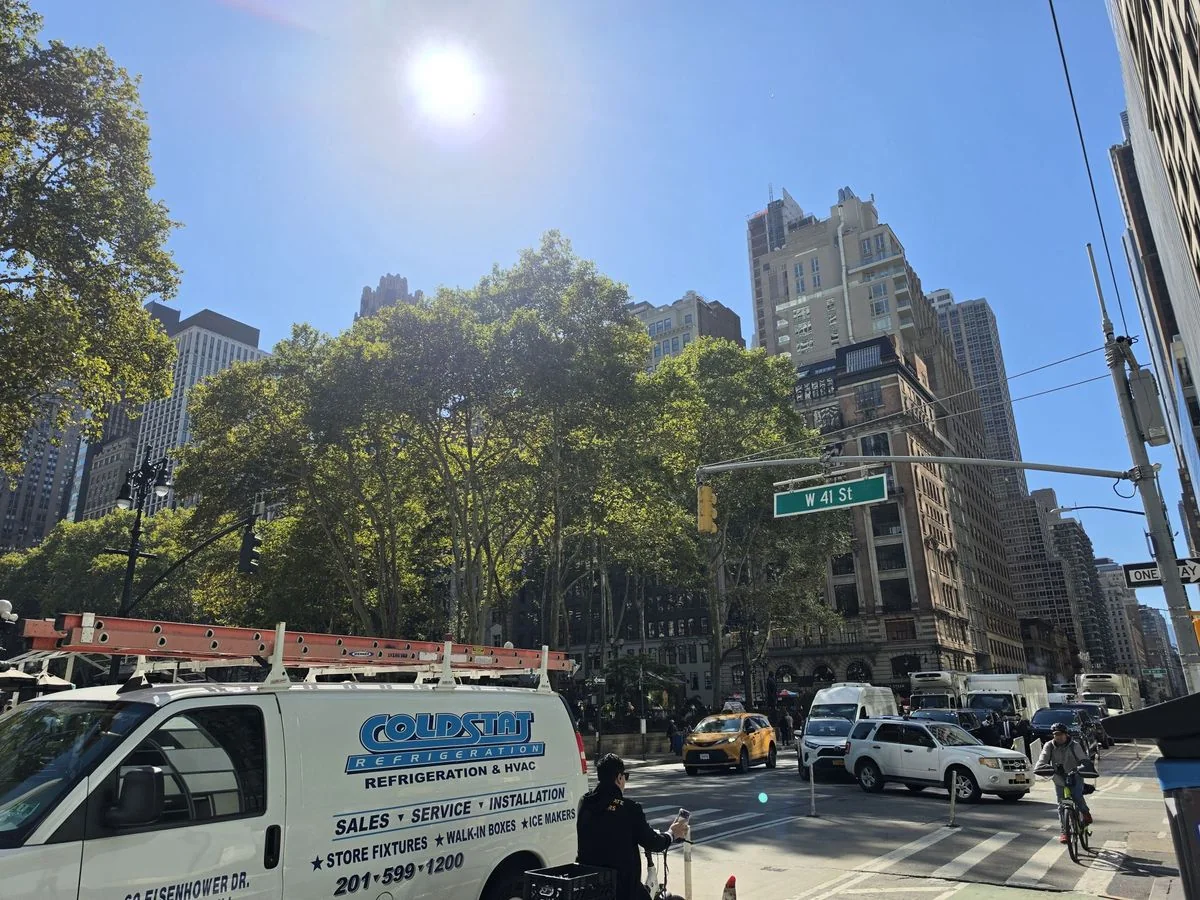
Standing at the corner of 6th Avenue and W 41st Street in New York, this spot is ideal to test dynamic range performance, with the harsh midday sun casting heavy shadows across most of the scene.
I really like how the Galaxy S26 Ultra performs here because it does enough to neutralize the high-contrast areas — such as the bright light bleeding through the tree branches — without causing the shadows to become underexposed. At the same time, the van in the foreground is noticeably brighter, and the overall scene pops with more energy.
The iPhone 18 Pro Max also holds up respectably by keeping lens flare well-controlled, but the overall exposure is dimmer. It clearly applies a more aggressive contrast curve to prevent highlights from blowing out, but it ends up crushing the shadowy details under the trees and across the street.
Winner: Galaxy S26 Ultra
Color Science
I love saturated colors, especially when I’m watching videos, but I feel differently about photography.
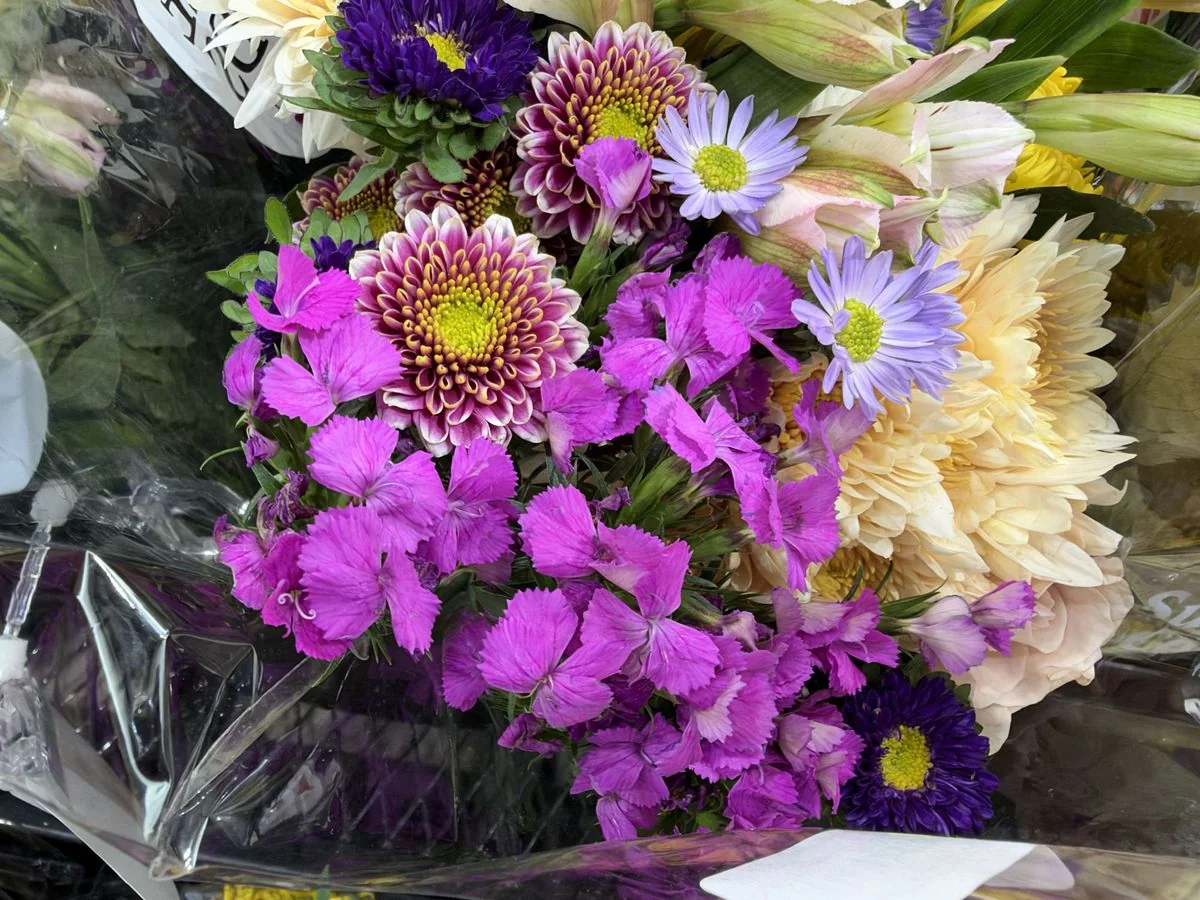
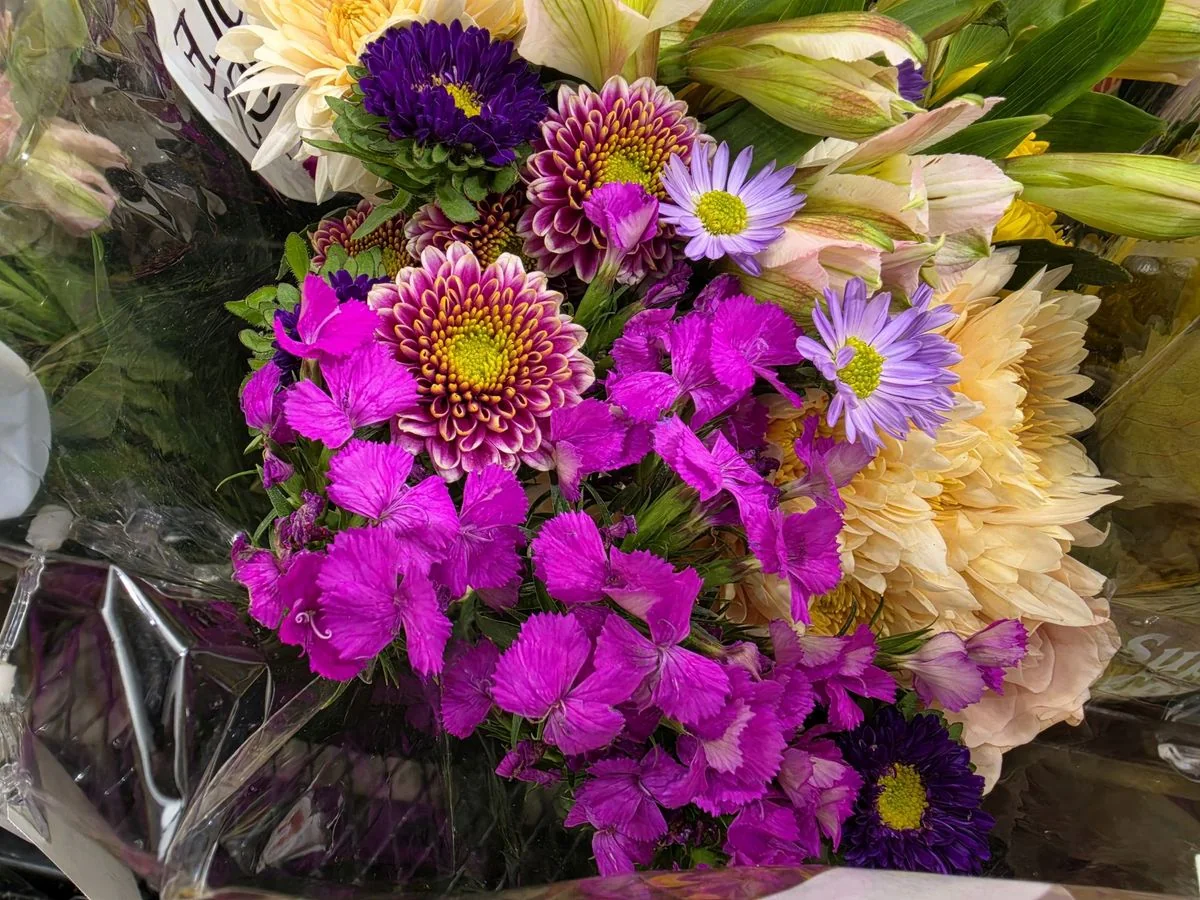
What’s hard to overlook in the shots of the floral display inside Whole Foods is how the Galaxy S26 Ultra applies aggressive color saturation. The magenta and violet carnations best illustrate this — creating a dazzling display, but an unrealistic representation of what they actually look like in person.
That’s why the iPhone 18 Pro Max easily takes the win here, because of its more authentic color reproduction. Its natural tones across the arrangement deliver a balanced, true-to-life look that the photographer in me favors.
Winner: iPhone 18 Pro Max
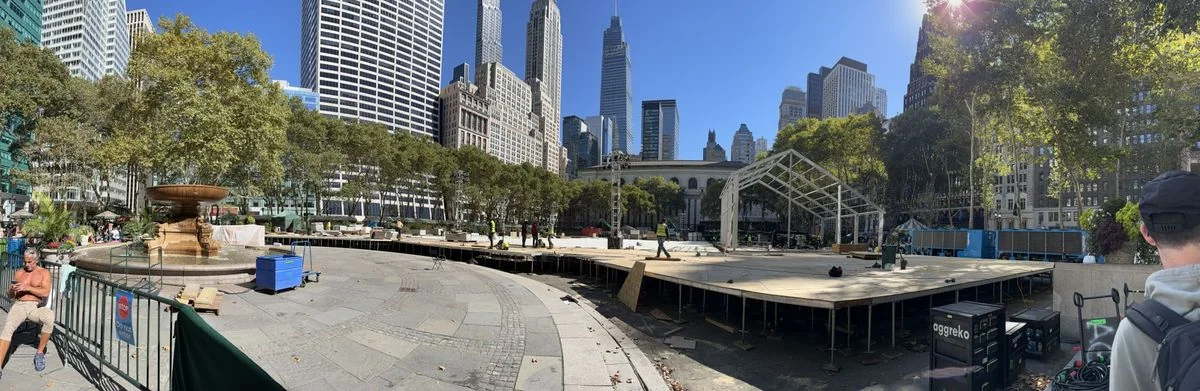
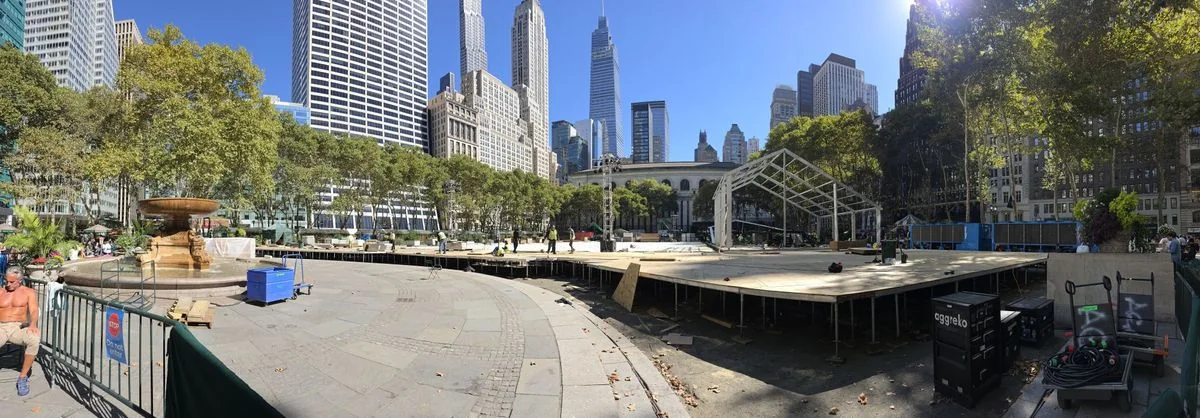
iPhone 18 Pro Max vs. Galaxy S26 Ultra: Panorama
Both phones can capture panoramas using either their main or ultrawide cameras, but I’m focusing on the former because it yields a much more natural result.
Capturing panoramas is a breeze on each device, but this round goes to the iPhone 18 Pro Max for its superior detail, exposure control, and dynamic range. The stone walkway in the foreground reveals noticeably more texture and definition, while the shadowed area to the right is balanced more effectively without washing out the highlights.
While the Galaxy S26 Ultra captures a bright, punchy image with vivid colors, textures across the frame simply appear too smooth and lack the same fidelity I see from the iPhone.
Winner: iPhone 18 Pro Max
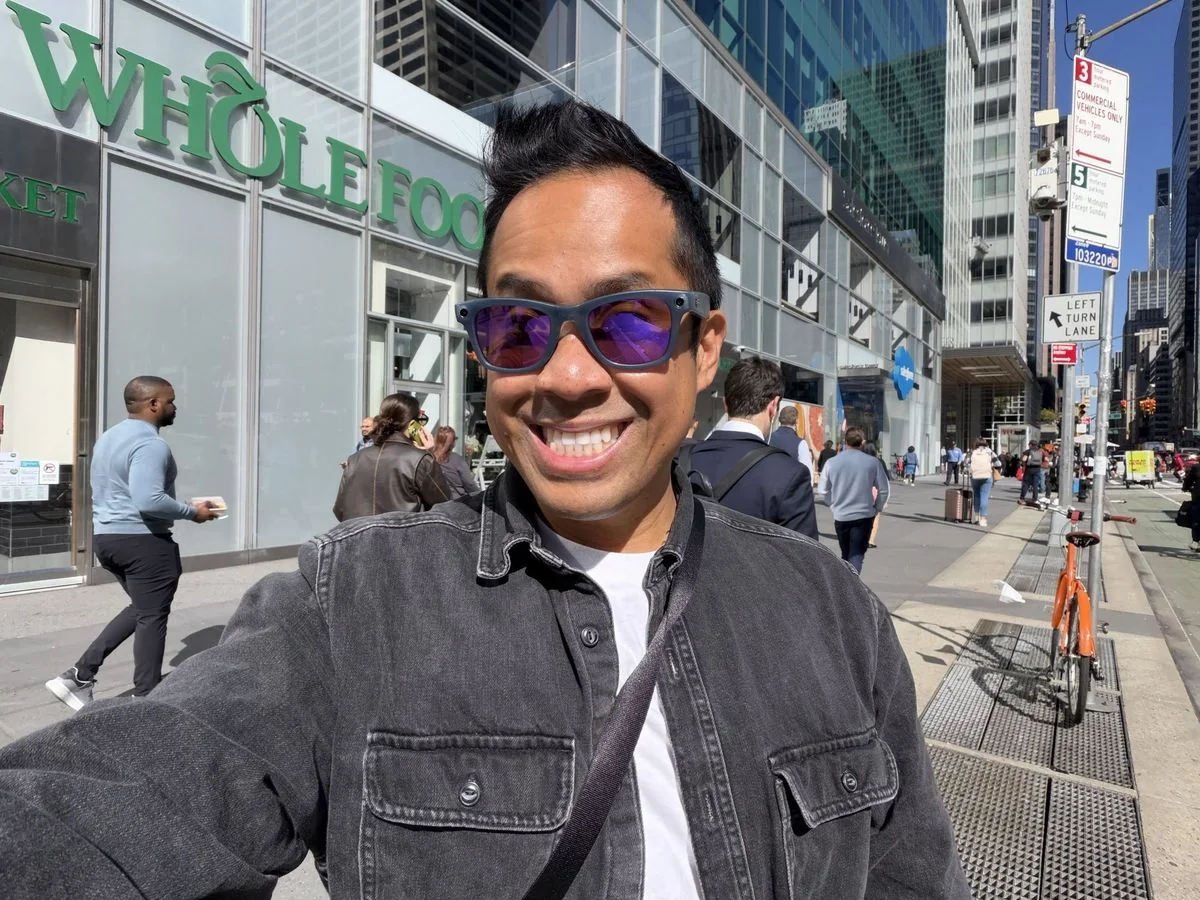
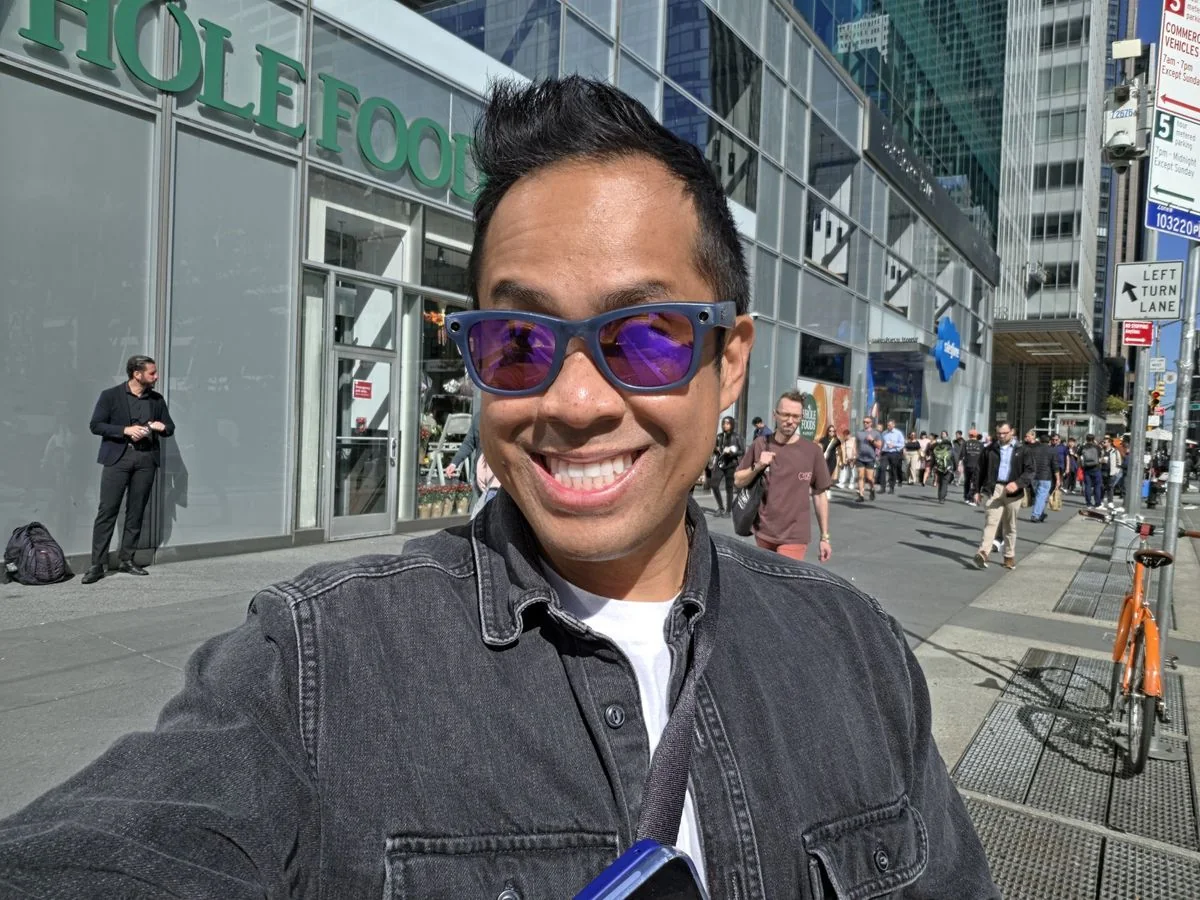
iPhone 18 Pro Max vs. Galaxy S26 Ultra: Selfie
With direct sunlight hitting my face, you can clearly see how each phone renders my skin tone. The iPhone 18 Pro Max adds a touch more saturation, while the Galaxy S26 Ultra looks a smidge muted.
Beyond that, it’s immediately evident that the iPhone’s 18MP Center Stage camera offers a noticeably wider field of view — something I appreciate when framing group selfies. At the same time, the iPhone pulls in superior detail and definition throughout the snapshot, from my facial features to the textured fabric of my shirt.
Winner: iPhone 18 Pro Max
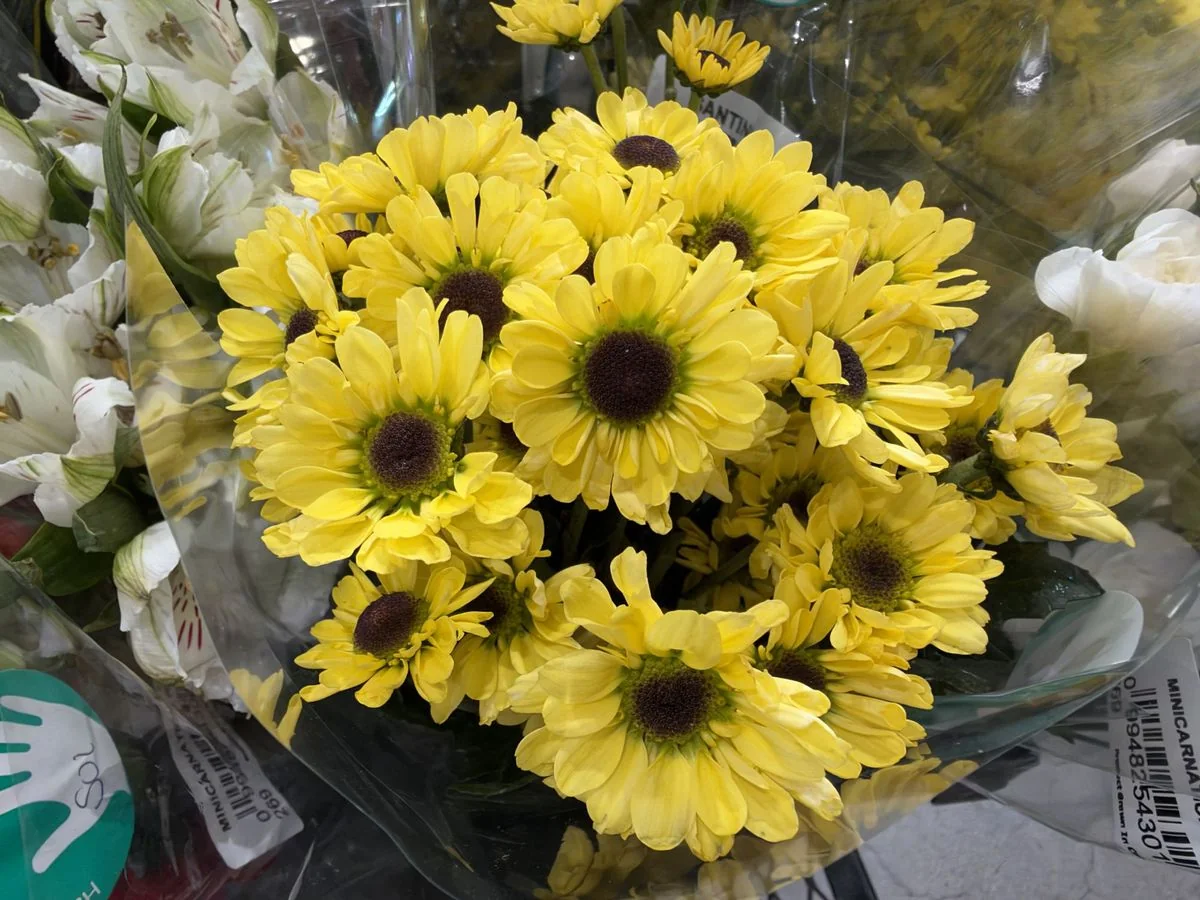
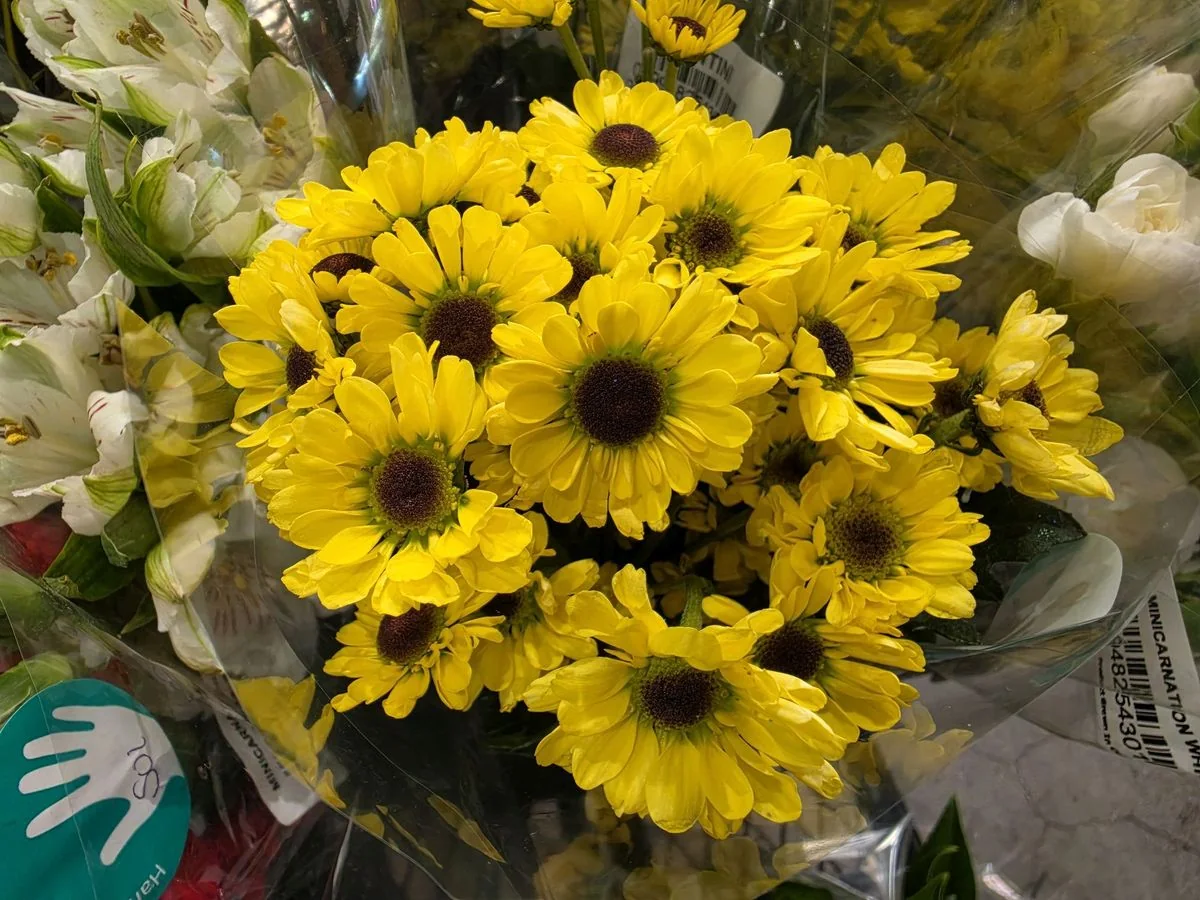
iPhone 18 Pro Max vs. Galaxy S26 Ultra: Macro
Pushing both lenses up close to this bright bouquet of yellow flowers, I can tell that the Galaxy S26 Ultra delivers a noticeably sharper capture even before zooming in — and once I do, it becomes unmistakably clear.
Examining the central disk florets, fine details are significantly sharper and clearer on the Galaxy S26 Ultra, though it does tend to soften the textures of the outer petals slightly.
In comparison, the iPhone 18 Pro Max looks softer in tone, and those central disk florets appear somewhat indistinct. Part of the challenge with macro photography is locking focus exactly where you want it, but in my experience, the Galaxy S26 Ultra proved to be far more consistent.
Winner: Galaxy S26 Ultra
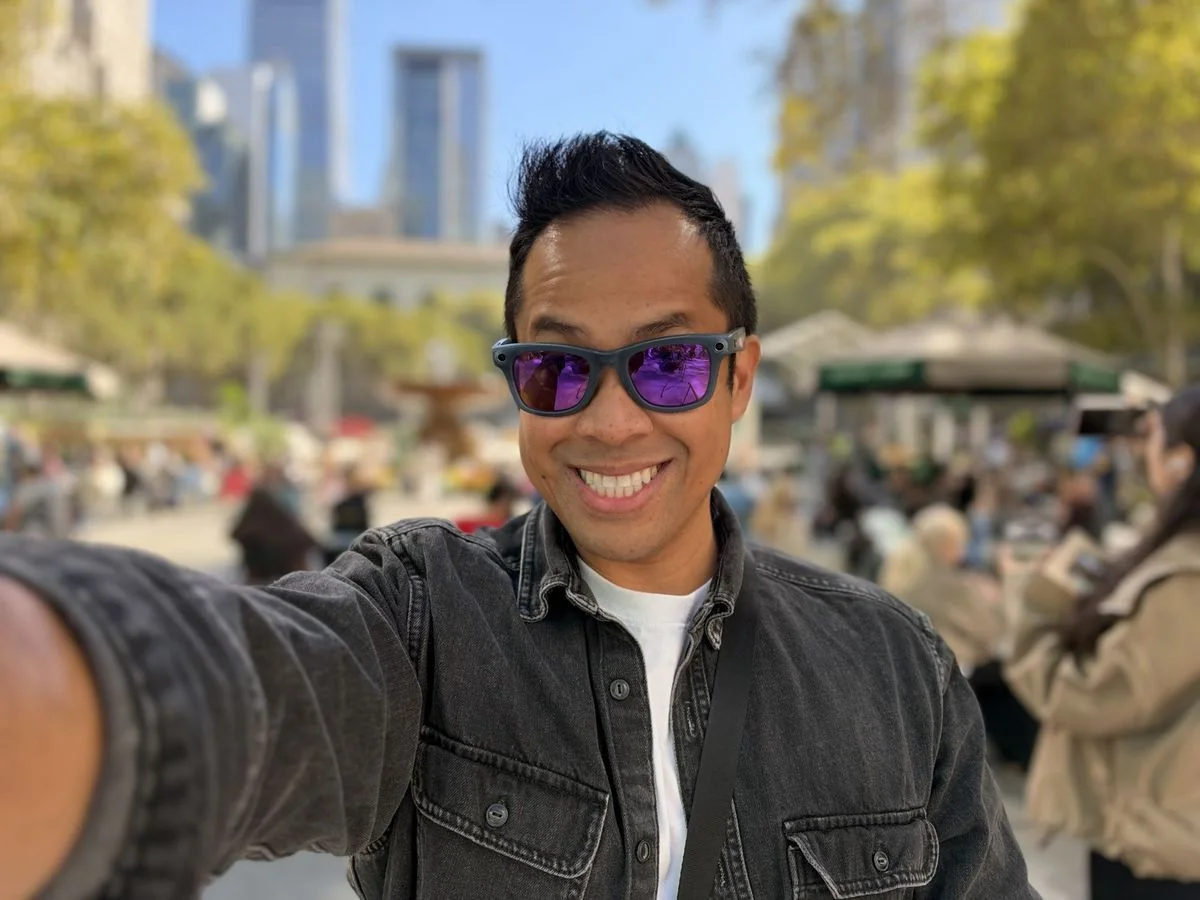
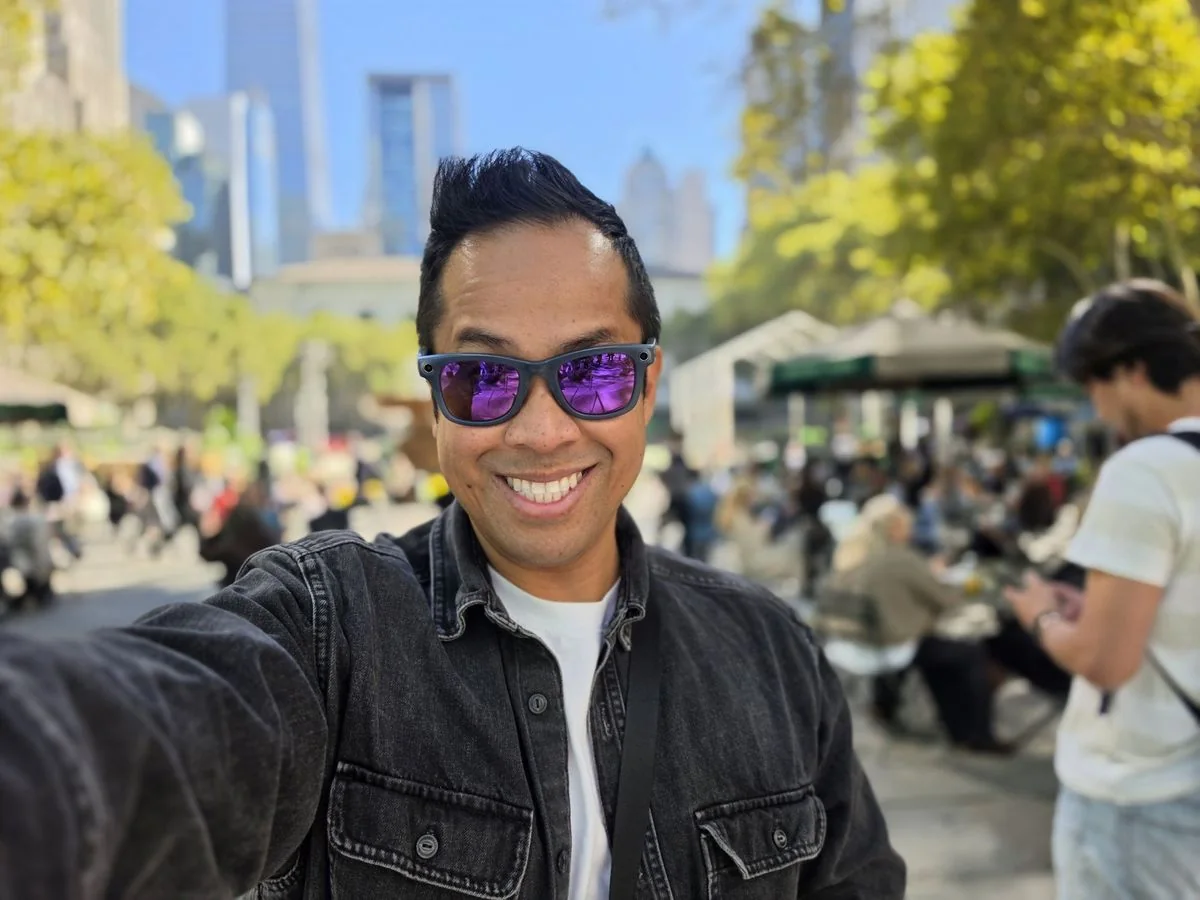
iPhone 18 Pro Max vs. Galaxy S26 Ultra: Portrait
I know firsthand the benefit of a variable aperture when it comes to snapping portraits, but here I’m strictly comparing what they produce using their dedicated portrait modes.
This one’s an easy win for the iPhone 18 Pro Max, mainly for how it balances the background highlights across Bryant Park bathed in harsh sunlight behind me. And just as before, there’s noticeably more sharpness and definition across my face and denim shirt.
Both portrait modes handle subject separation and natural bokeh falloff impressively, especially considering it’s done through a hybrid mix of hardware and software depth mapping. However, the Galaxy S26 Ultra struggles slightly around tricky boundary edges, leaving finer details looking a bit softer by comparison.
Winner: iPhone 18 Pro Max

iPhone 18 Pro Max vs. Galaxy S26 Ultra: Zoom
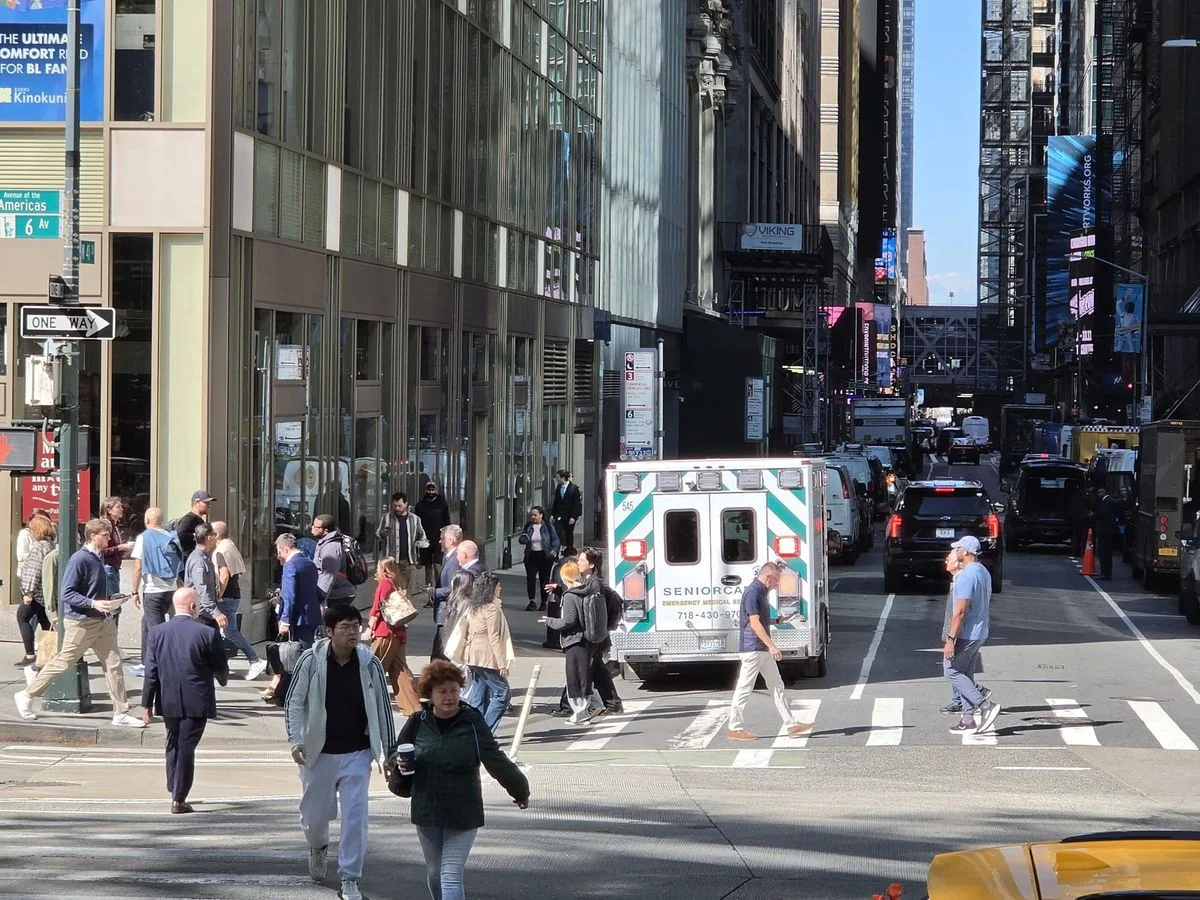
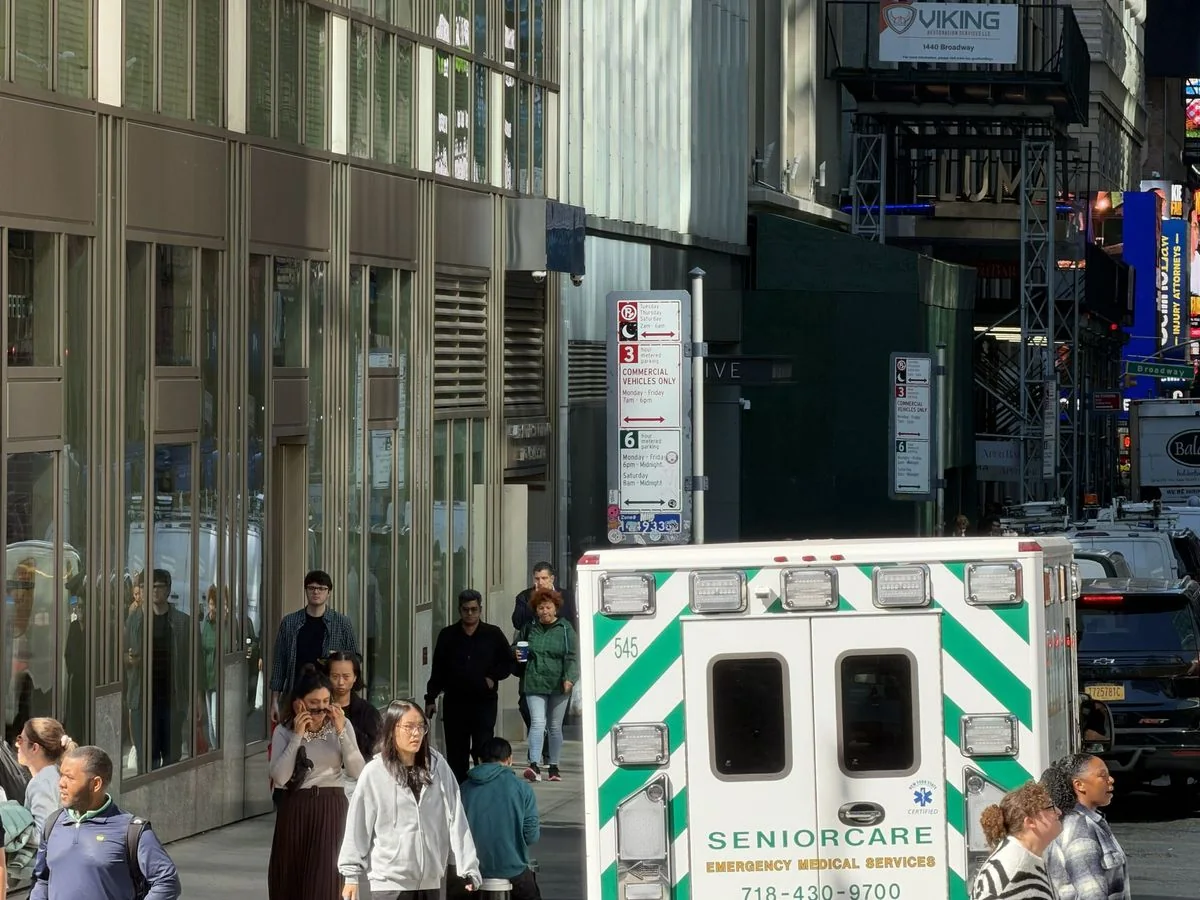
From the Bryant Park side, I pointed both camera phones directly down W 41st Street and focused on a parking sign on the other side of the road — and it reveals a clear advantage for the Galaxy S26 Ultra at longer zoom distances.
At 4x, the iPhone 18 Pro Max leans on its 4x telephoto lens to produce cleaner and sharper results that capture the crisp lettering on the parking sign just above the ambulance. With the Galaxy S26 Ultra, however, it’s cropping into its 3x optical zoom camera that turns in softer details.
Pushing to 8x, this is where Samsung’s dedicated 50MP periscope zoom shooter with 5x optical zoom really outperforms the iPhon. The Galaxy S26 Ultra the text on the street signs have cleaner contrast and retain more of the textures.
And finally, the difference becomes decisive at 40x zoom with the Galaxy S26 Ultra cleanly separates the printed letters — which I attribute to the image processing algorithms sharpening up the shot. The iPhone 18 Pro Max, on the other hand, produces a softer picture.
Winner: Galaxy S26 Ultra
iPhone 18 Pro Max vs. Galaxy S26 Ultra: Low Light
Nothing proves a camera phone’s true worth more than its low-light performance — and Apple reigns supreme here, which I largely attribute to the faster f/1.48 aperture on its main camera.
My backyard tree is my go-to test for comparing low-light capabilities, and the iPhone 18 Pro Max takes this round decisively for its superior exposure, cleaner shadow detail, and overall sharpness. Just zoom into the main tree trunk and the sprawling branches surrounding it. The iPhone 18 Pro Max draws out far more definition and properly exposes the shadows to give the overall shot a balanced tone.
I found that locking focus under extreme conditions was tougher with the Galaxy S26 Ultra, and it shows here in how the fine definition of the tree appears quite soft. It also fails to neutralize the harsh light bleeding from the LEDs in the background, which ultimately forces the phone to underexpose the rest of the frame.
Winner: iPhone 18 Pro Max
iPhone 18 Pro Max vs. Galaxy S26 Ultra: Verdict
After shooting over 200 photos with each phone, I can tell you that the iPhone 18 Pro Max comes out as the clear winner in this photo face-off.
Samsung puts up a good fight, but its time at the top comes to an end. While there are still areas where Apple could improve, the overall package of the iPhone 18 Pro Max makes it a much more refined, well-rounded camera phone — and that’s not because of its unique mechanical variable aperture.
Just as importantly, the addition of Pro Controls levels the playing field, giving me the same granular control I’ve come to expect from Samsung’s flagship models over the years.