Starlink Mobile Plans
SpaceX has confirmed it will be developing its own Starlink mobile network that sounds like it will be directly competing with the big three — AT&T, Verizon and T-Mobile.
Starlink Mobile already exists, and typically runs in partnership with local carriers to offer limited access to mobile data on satellite-ready phones. In the U.S. that service runs in partnership with T-Mobile. What's changing is that SpaceX has announced that it will be combining satellite and terrestrial mobile infrastructure with the goal of becoming a "major" U.S. carrier.
As part of this move, SpaceX has acquired licenses to low-band mobile spectrum. Specifically, up to 14 MHz of paired spectrum in the 800 MHz band. This joins the 2GHz of mid-band spectrum that Starlink already acquired from EchoStar last year.
SpaceX has made it clear that the mid-band spectrum will be handling high-bandwidth capacity, while this new spectrum will "provide a new coverage layer" that allows Starlink signals to pass through walls and keep people connected while they're outside. Plus, existing phones already support the 800MHz spectrum band.
One thing that does need to be made clear is that SpaceX is still awaiting final approval from the FCC, and can't continue with its plans until that happens. However, the FCC had approved plans to deploy 15,000 V2 Starlink Mobile satellites, which SpaceX says will offer 100 times the bandwidth compared to current-gen satellites.
Infrastructure and Outlook
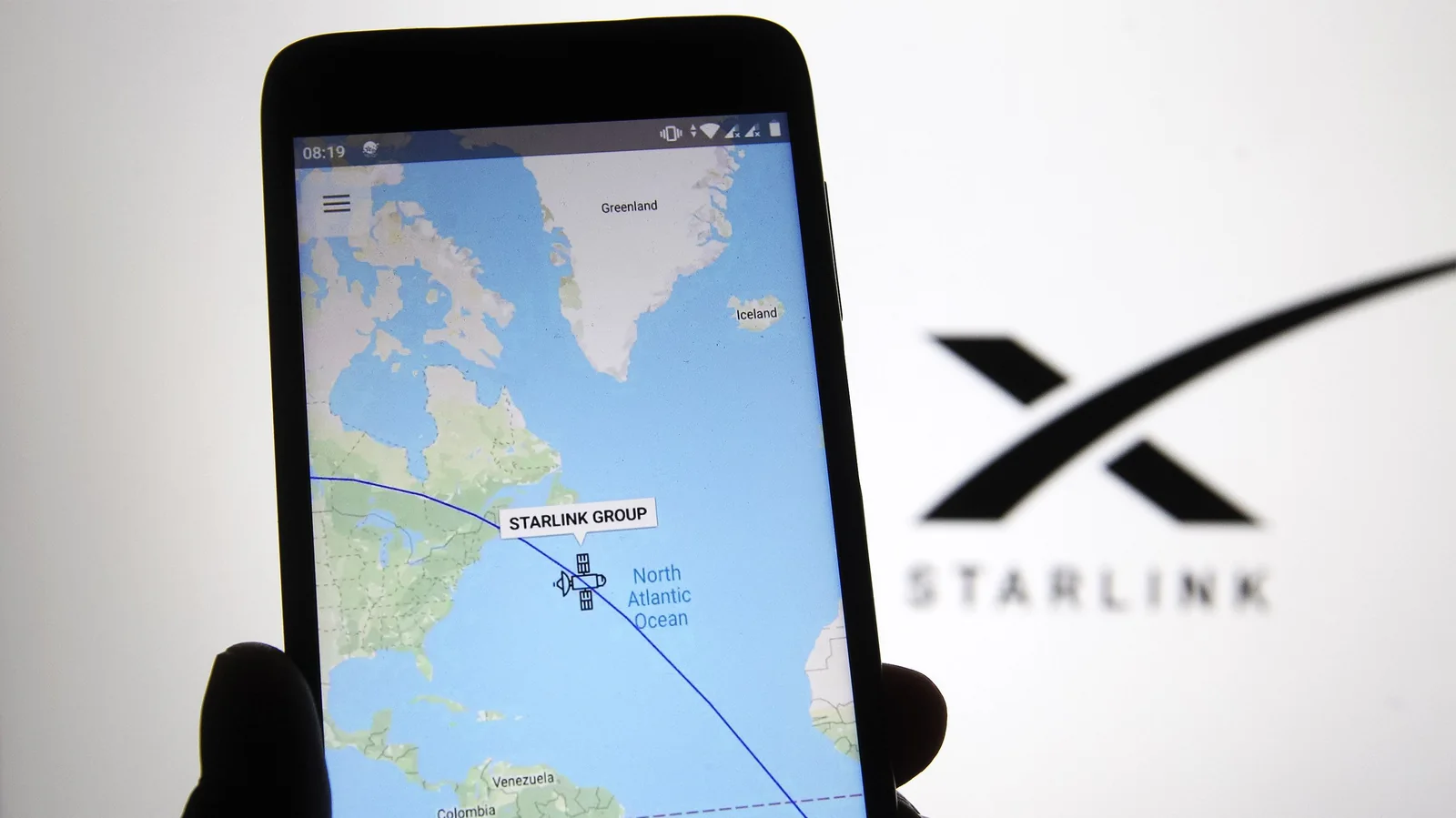
SpaceX confirmed that the V2 satellites are a major part of its plans, and that the combination of V2 satellite and the new spectrum will provide customers "with a reliable service indoors, outdoors, in cellular dead zones, and everywhere in between.” All thanks to the way it will deploy space and ground-based mobile infrastructure.
It's unlikely that Starlink Mobile will be expanding quickly, though. Building ground-based infrastructure takes time and resources, which is why the bulk of U.S. mobile services go through the big three carriers — either directly or as part of an MVNO. Either Starlink signs an agreement with the major carriers and operates as a virtual operator as a short term solution, or it postpones a true Starlink Mobile launch until much further down the line.
It's also not a particularly large slice of spectrum, even if SpaceX is intending to supplement it with satellite-based internet. AT&T, for instance, added 50Hz of spectrum to improve its 5G services earlier this year, split between the 3.45GHz and 600 MHz spectrum bands. In contrast, 14MHz is not a whole lot, and I suspect SpaceX will end up licensing more wireless spectrum space in the future.
Still, this announcement suggests that SpaceX is serious about expanding Starlink's ground-based coverage and positioning itself as a major player in the mobile industry. Maybe one day all your cell data will be coming via Starlink, regardless of whether you're in a dead zone or not.