LGA 1700 Lifespan Extended
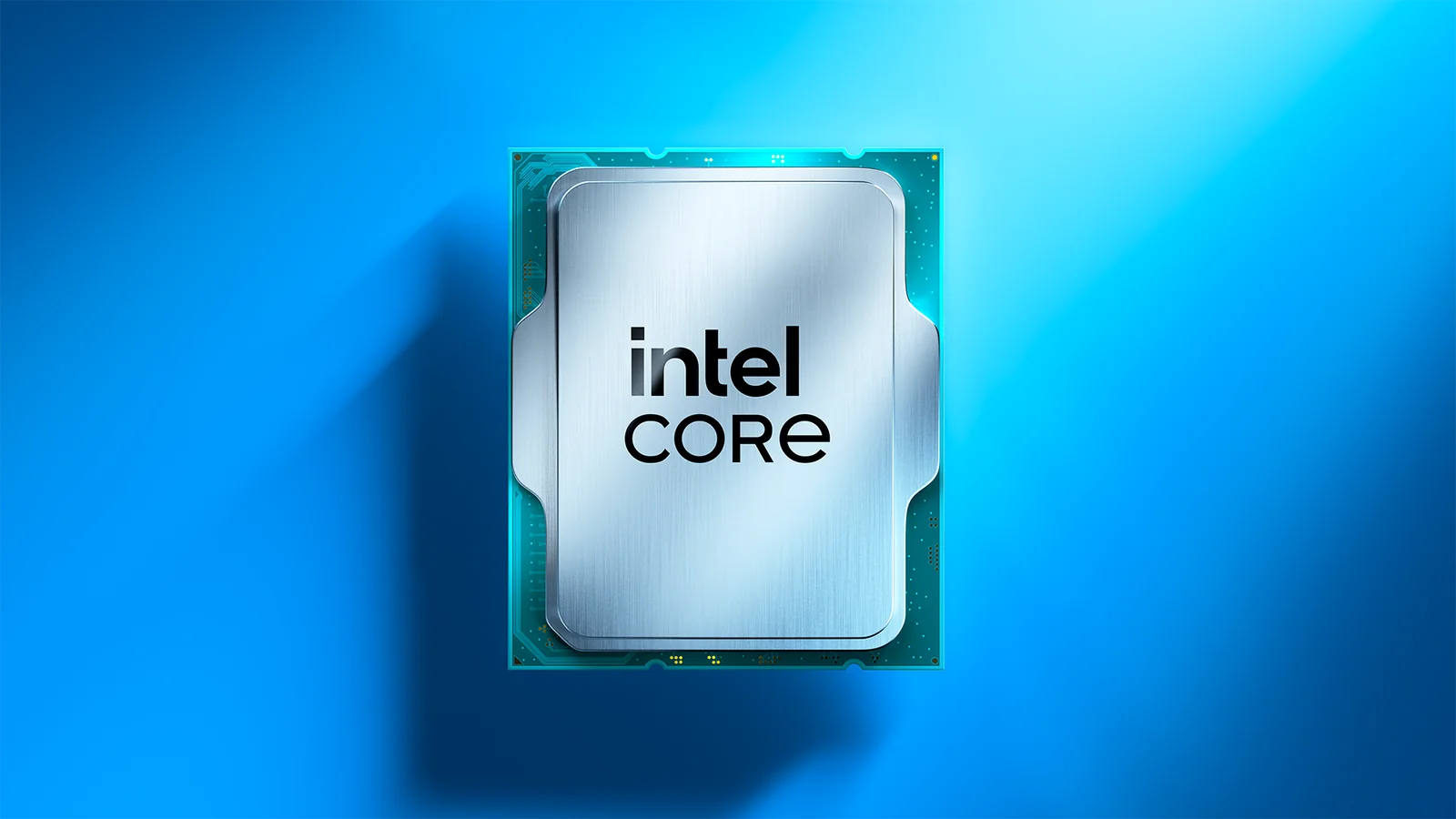
Gigabyte has confirmed Intel’s plans to introduce new processors compatible with existing LGA 1700 motherboards, with an expected launch in early 2027. According to a press release, Gigabyte is rolling out a new BIOS update to extend support for the upcoming processors across its entire lineup of Intel B760 and H610 motherboards. Owners of supported boards will be able to flash the latest BIOS and upgrade to the new CPUs without replacing their motherboards.
The update covers both DDR4 and DDR5 variants of these motherboard families, allowing existing systems to remain compatible with the upcoming processors. The continued availability of DDR4 compatibility is particularly relevant as memory prices have impacted the overall cost of building and upgrading a PC. Notably, the announcement does not include certain motherboard series like the Z690, Z790, and B660, which also feature the same LGA 1700 socket.
Expected Specifications and Launch
Gigabyte has not disclosed SKUs, specifications, or pricing of the upcoming processors. However, the early 2027 launch window aligns with reports about Intel's rumored Raptor Lake Next lineup. According to previous coverage, Intel is preparing a third refresh of its Raptor Lake architecture based on the LGA 1700 socket, which debuted with the 13th-gen Core desktop processors and was succeeded by the 14th-gen lineup.
Intel’s Robert Hallock noted in an interview that LGA 1700 remains a viable socket with continued interest in DDR4 memory options. By extending support for the LGA 1700 platform, Intel gives budget-conscious PC builders another option for reusing existing memory and motherboard hardware instead of moving to a completely new platform.
It has been speculated that Raptor Lake Next could adopt Intel's Core 200 branding across Core 3, Core 5, and Core 7 models. According to leaked specifications shared by tipster Jaykihn, the range could include a 20-core Core 7 model with 8 Performance cores and 12 Efficient cores rated at 65W; a 16-core Core 5 with 8 P-cores and 8 E-cores rated at 125W; a 10-core Core 5 with 6 P-cores and 4 E-cores rated at 65W and equipped with 24MB of L3 cache; and an entry-level, four-core Core 3 featuring only P-cores, also rated at 65W.